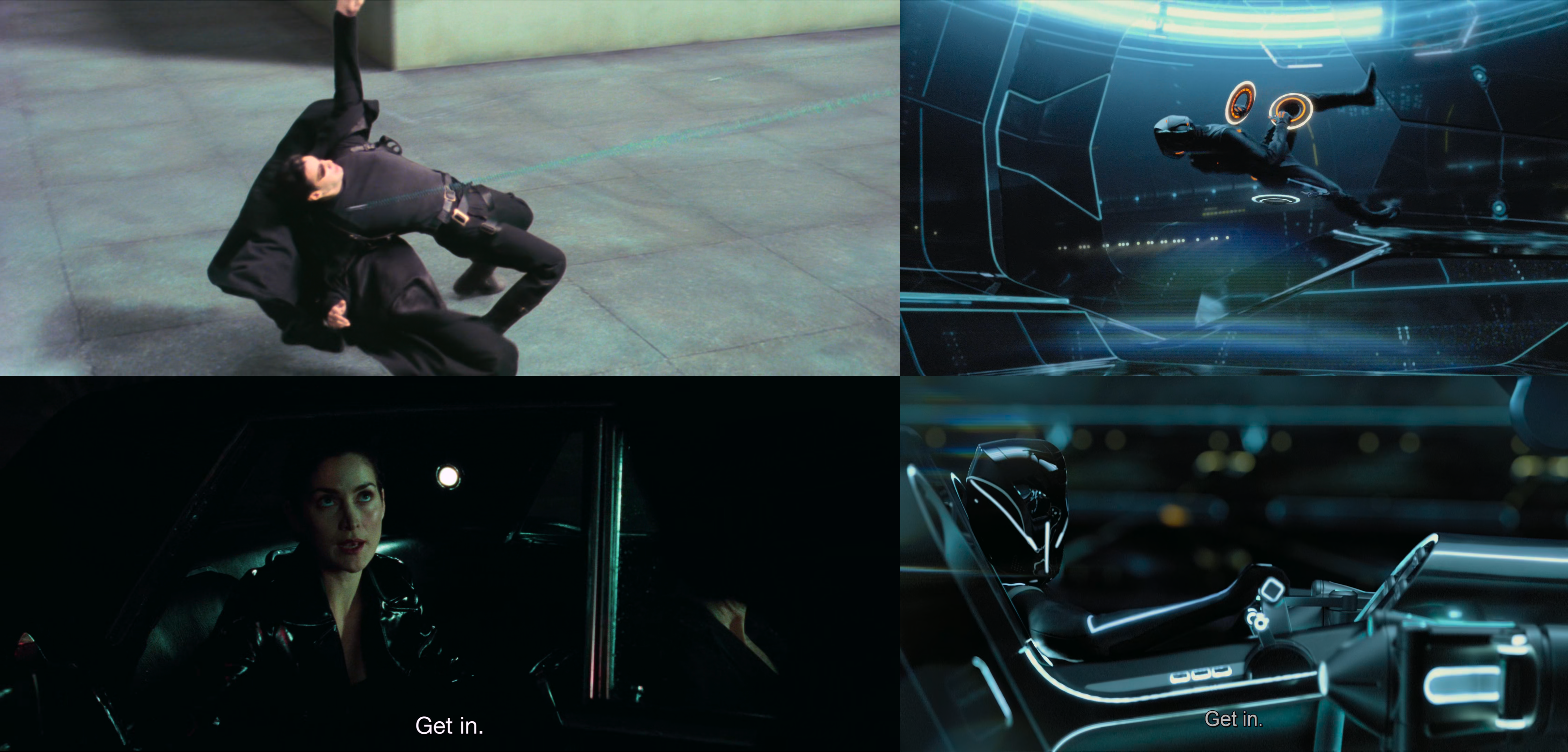
In Defence of… Tron: Legacy (2010).
There’s a new Tron (1982) sequel, Tron: Ares about to be unleashed upon us, and though my own expectations are tempered for it, I thought it would be a perfect excuse to look back at the now fifteen year-old Tron: Legacy.
When the original Tron was first released, its story of a programmer and video game developer named Kevin Flynn, who has his intellectual property stolen by an executive for a tech corporation, is then digitized into a computer reality called “The Grid” populated by sentient programs, lives some video games, and helps a hero named Tron overcome an authoritarian artificial intelligence, was met with limited success. In some ways that’s understandable, because for an aspiring blockbuster, Tron is an idiosyncratic and occasionally perplexing film, but one that presented a Wizard of Oz-style journey into an imaginative and intrepid vision of a digital world where the soul of digital technology is battled over. Steven Lisberger, the writer-director of Tron would say on the rise of digital technology that, “… my feeling was, well if there is this other world happening what could be better for it than to get as many artists involved with it as soon as possible. Because to me the artists were the remedy to overthinking it from a scientific standpoint. So it wouldn’t just be about efficiency and it wouldn’t just be about things that were literal. That the artists, if they got involved in cyberspace would bring metaphysical aspects alive or point them out… or even just to shape it and give it some humanness.” That’s undoubtably a large part of the reason why it achieved a cult movie status, especially amongst those able to appreciate the intricacies of its concepts and ambitions.
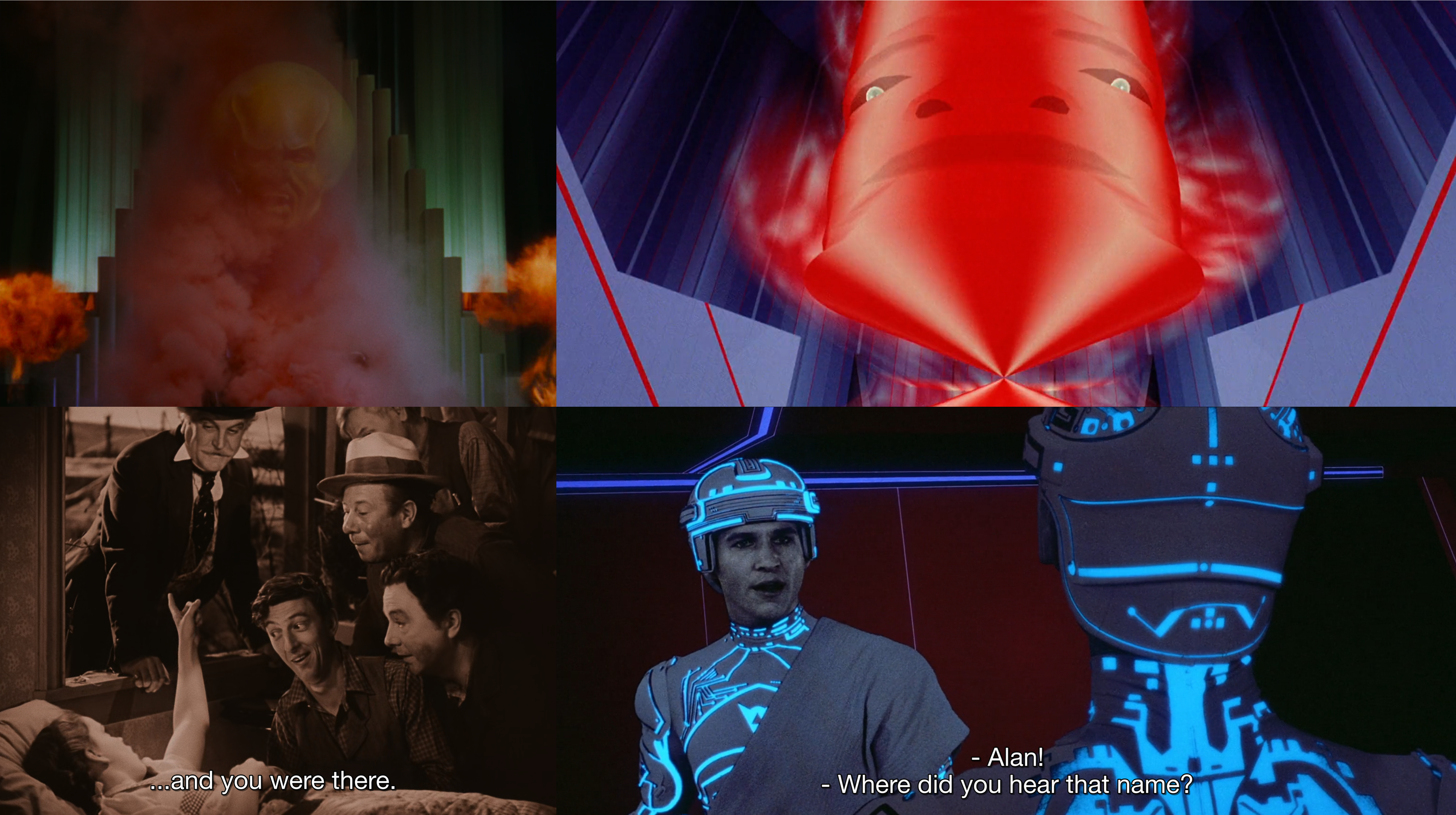
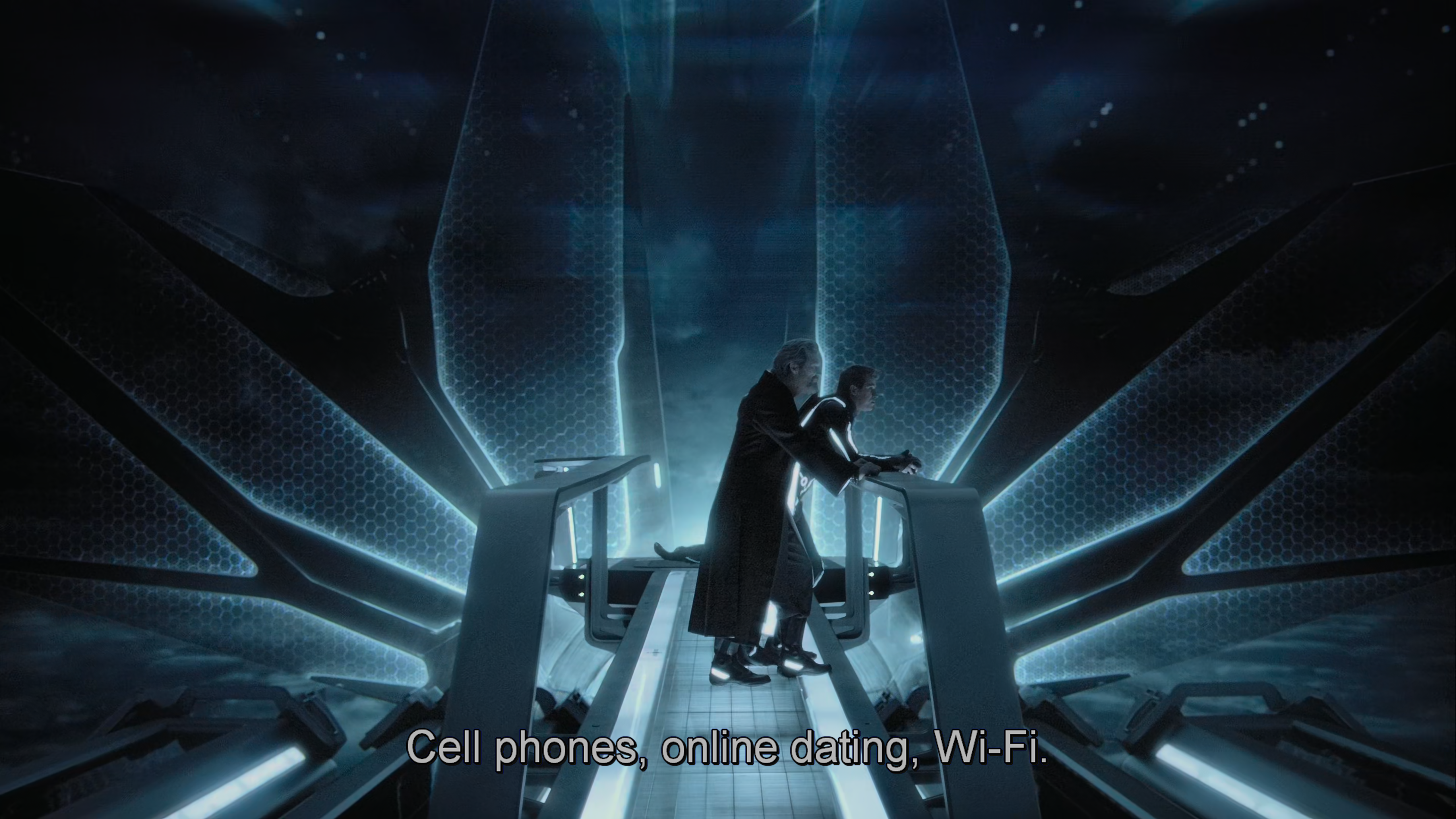
The cult appreciation had been enough to keep a Tron sequel in Development Hell for a years, but it was perhaps an emerging wave of nostalgia for the 1980s that made a sequel finally look like a commercial prospect. So Tron: Legacy would arrive twenty-eight years after its predecessor, and I think it’s funny that because of the prevalence of sequels that have looked back to the 1980s in recent years, that gap in time no longer sounds especially impressive. Much like its predecessor, the sequel would receive a muted box office response. However, it would also find a dedicated following and an appreciation that has only grown in the time since its release. I think a large part of that is because even though a lot had changed in the time between films, with digital realities going from the realm of the fantastic to a reality that has eclipsed our lives, Tron: Legacy is a film that revitalizes the ideals that Lisberger instilled in the original film, and which feel ever more vital. It’s also one of the earlier and better examples of the recent wave of legasequels, and in many ways has set the bar for that portmanteau. Plus it’s just really, really cool.
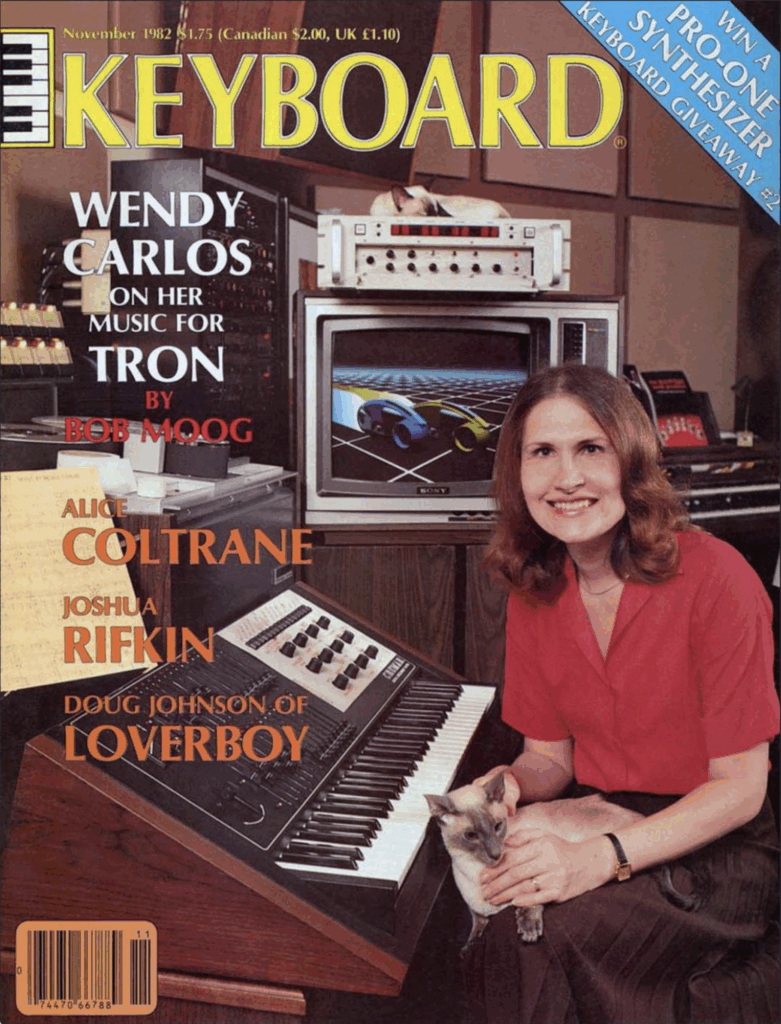
Usually I’d reserve my thoughts on a film’s score for deeper into an article if it warranted a mention at all, but I want to bring the score to the forefront because it’s nearly always the first thing that comes up whenever I discuss the film with people. The original Tron featured a score by Wendy Carlos, a true pioneer of synthesized music, whose film score work on the likes of A Clockwork Orange (1971) and The Shining (1980) has left an indelible legacy, and who, despite a severe time crunch, managed to produce a score of impressive intricacy and complexity for Tron, blending the electronic and symphonic. Along with the film’s inventive visuals, her soundtrack is one of the most remarkable aspects of Tron. So a follow-up to her work called for something special.
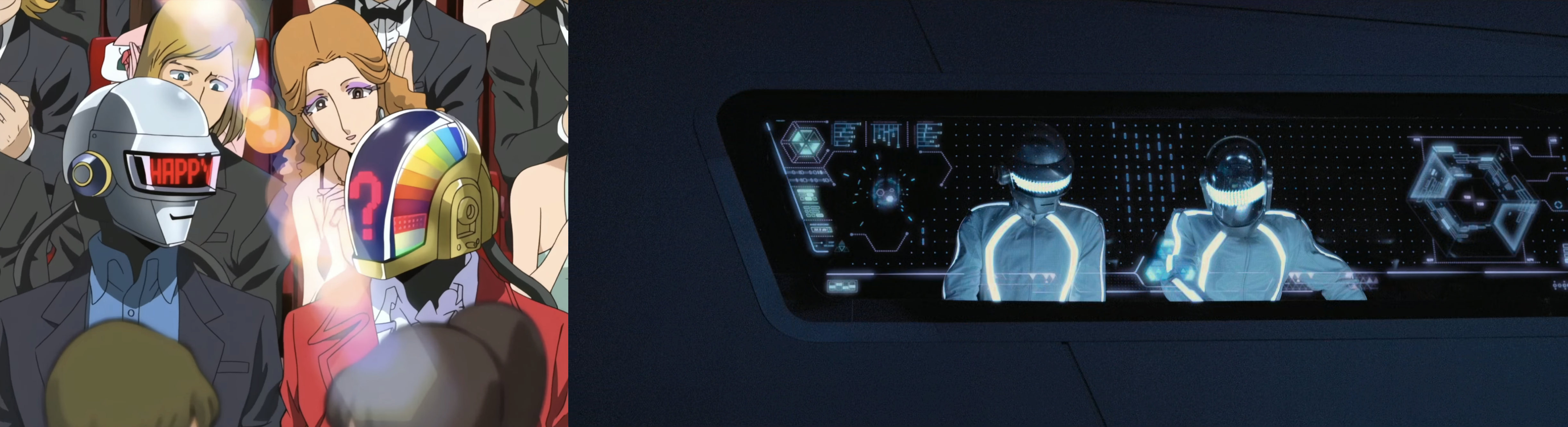
For Tron: Legacy’s soundtrack, first-time feature film director Joseph Kosinski championed Daft Punk, the influential French electronic duo comprising of Thomas Bangalter and Guy-Manuel de Homem-Christo, who could be recognized by the robot personas they took on when making public appearances. Kosinski received pushback and was asked to meet with seasoned film composers including Hans Zimmer and Christophe Beck, with the possibility of Daft Punk perhaps only doing one song for a scene in a club for the film. Kosinski won out though, and while I’m sure another composer might have been able to make a worthwhile score for film, I have no doubt that his decision was the correct one. As a longtime fan of Daft Punk, including holding a fondness for their own filmmaking endeavour, Electroma (2006), their involvement in the film was the hook that led me to see it in the theatre. What they created is something special. Even though the score received a mixed critical response upon the film’s release, I don’t think I’ve ever spoken to a fan of the film who wasn’t supremely enthusiastic about it, and I’ve even spoken to a number of people who have no love at all for the film itself but who wholeheartedly share in that enthusiasm. I think even if every other aspect of Tron: Legacy had failed, the soundtrack alone would have made it an endeavour that answered Lisberger’s call for the necessity of artists to be involved in the realm of the digital. And perhaps on one level Tron: Legacy could be simply enjoyed as a giant Daft Punk music video, not unlike Interstellar 5555 (2003), with the striking visuals complimenting the music as much as the other way around. With the help of Joseph Trapanese’s arrangements it’s an elegant and propulsive blend of orchestral and synthesized music that reflects a wide range of moods and tones. It has perhaps even achieved status as modern classic film score that can stand shoulder to shoulder with the likes of Vangelis’ score for Blade Runner (1982). Also, even with Daft Punk having now disbanded, I do hold some hope that either former member might make the return to composing for film. Thomas Bangalter would be my guess, as he had previously composed some music for Gasper Noe’s Irreversible (2002) and had to turn down composing for Enter The Void (2009) in order to work on Tron: Legacy.
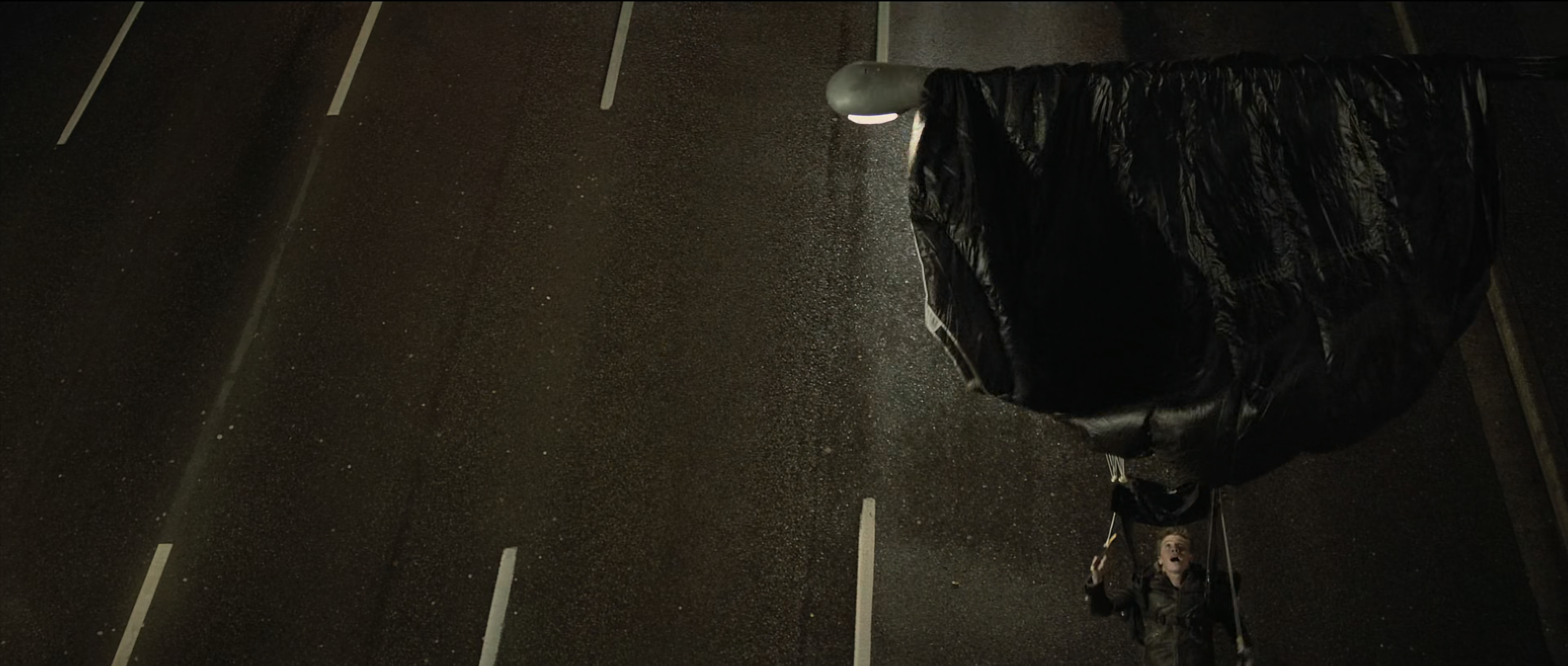
Score aside, Tron: Legacy is not without its flaws. Its dialogue is often clunky, and its exposition can be overbearing. It can be a bit clumsy with certain themes, with so many ideas that it occasionally trips over one here and there. There’re the little set-ups sprinkled in for a sequel that was hoped to follow shortly after that never happened, most notably Cillian Murphy appearing in an inconsequential role, so now they just hang in the film as embarrassingly as dangling from a parachute caught on a lamppost. There are also a handful of moments and some story beats that don’t quite work as they should, maybe especially the subplot revolving around the character of Tron having been reprogrammed into a villain. I’m not sure if it was the result of something being cut down or something being added in post-production, but it does feel a little like half way through making the movie someone suddenly said “Wait, isn’t Tron the name of the guy? Where’s he in this?” Also, this isn’t so much of a flaw within the film itself, but considering how many little connections are made with the original film, I do think it was a bit unfortunate that Cindy Morgan who played the important characters of Lora and Yori in Tron was not asked to return for even a brief cameo to give a touch of closure to either character, despite Morgan expressing interest to return for the film. There’s also a glaring technical flaw that I’ll touch on later when looking at the film’s antagonist. Regardless though, the film has many virtues that make it not too difficult to overlook these issues.
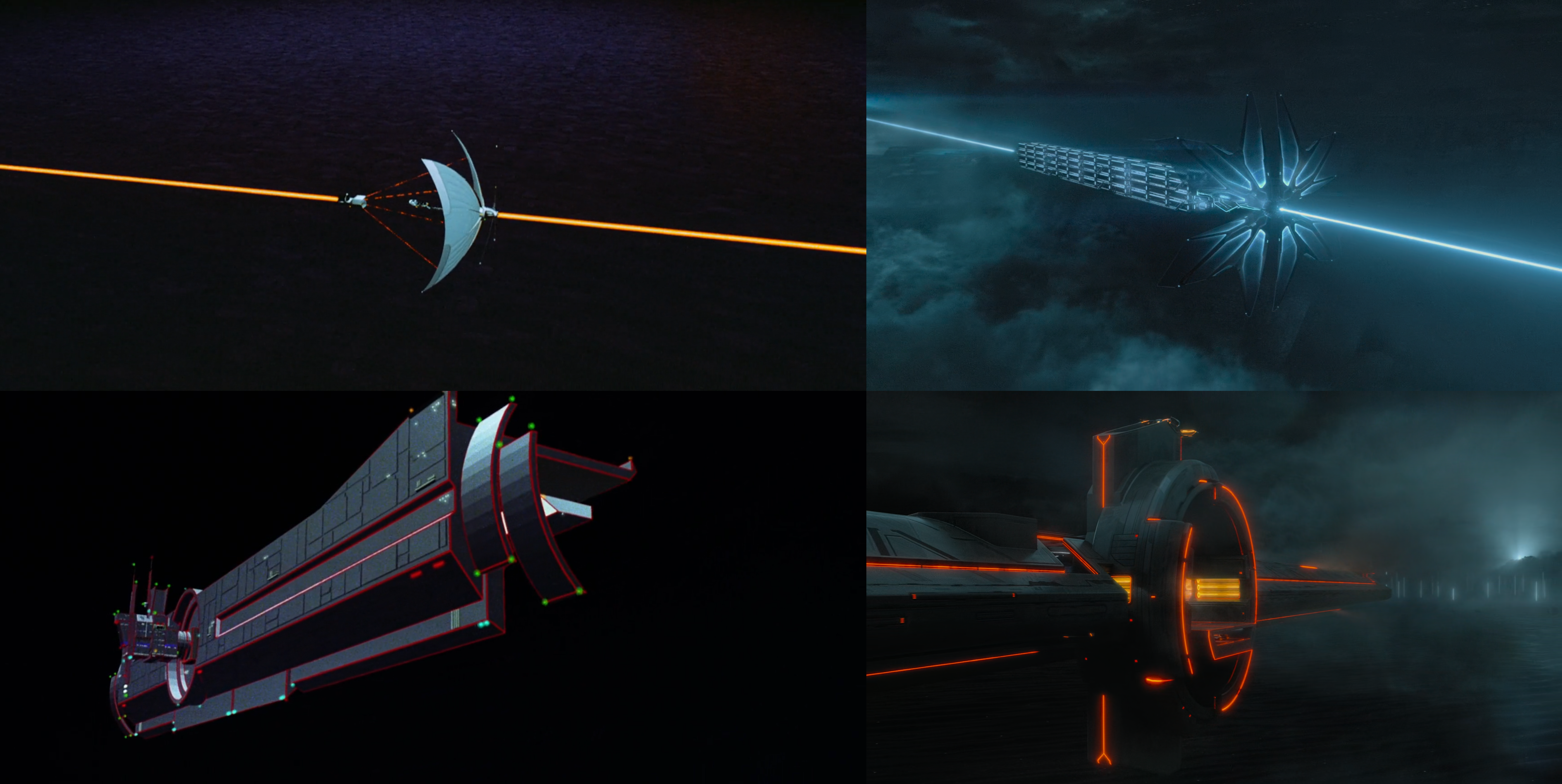
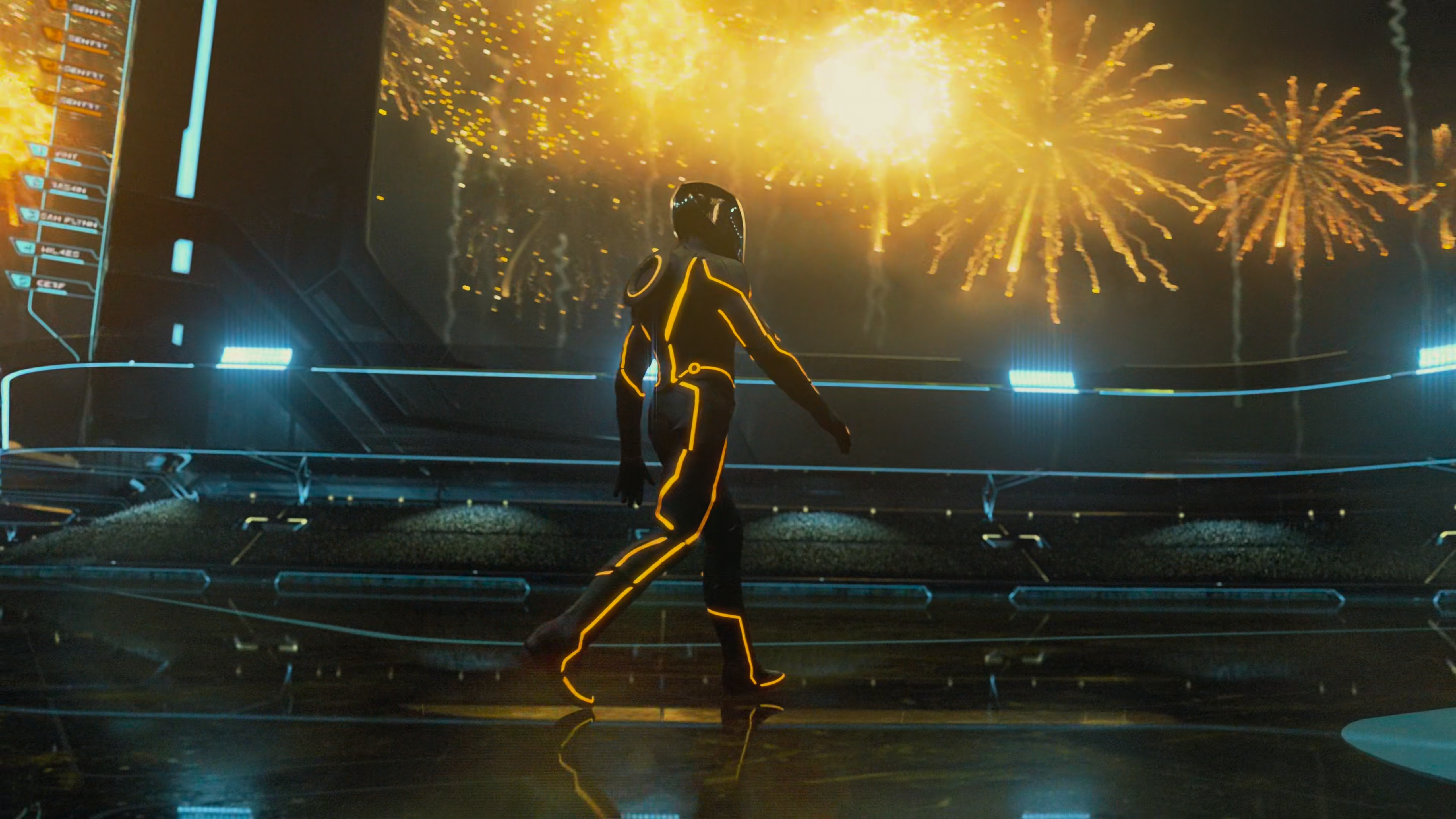
Perhaps the most obvious virtue is the world of The Grid itself. It’s just a pleasure to feel immersed in that slick, detailed, luminous digital reality. While I’ve never seen the film screened in 3D, I get why hot off the the success of Avatar (2009) it was decided to shoot the film stereoscopically, hoping to entice audiences into experiencing another vibrant fictional world with that added gimmick. It’s not a slavish replication of the world of the original film, nor a complete reimagining, but rather an elaboration on it, imagining how it may have evolved in the decades since it was last seen. Original Tron writer & director Steven Lisberger, who returned as a producer on Tron: Legacy, would highlight the concept that The Grid exists on a server that was never connected to the internet and because of that the world of the film would have developed in isolation, with him likening it to “a cyber Galapagos, where it has evolved on its own.”
The original film had master illustrators like Syd Mead and Möbius who contributed concept art to it, so I think Tron: Legacy wisely chose to build on the visuals established in its predecessor, and honour the legacy of those artists by upholding their vision, and in certain cases using advancements in digital technology to better represent their work than the original film could. A good example would be with the lightcycles which were revamped to incorporate the drivers more directly into the structure of the bike, like what can be seen in Mead’s early concept art. There’s a sense that it’s the same world, only the resolution has increased.
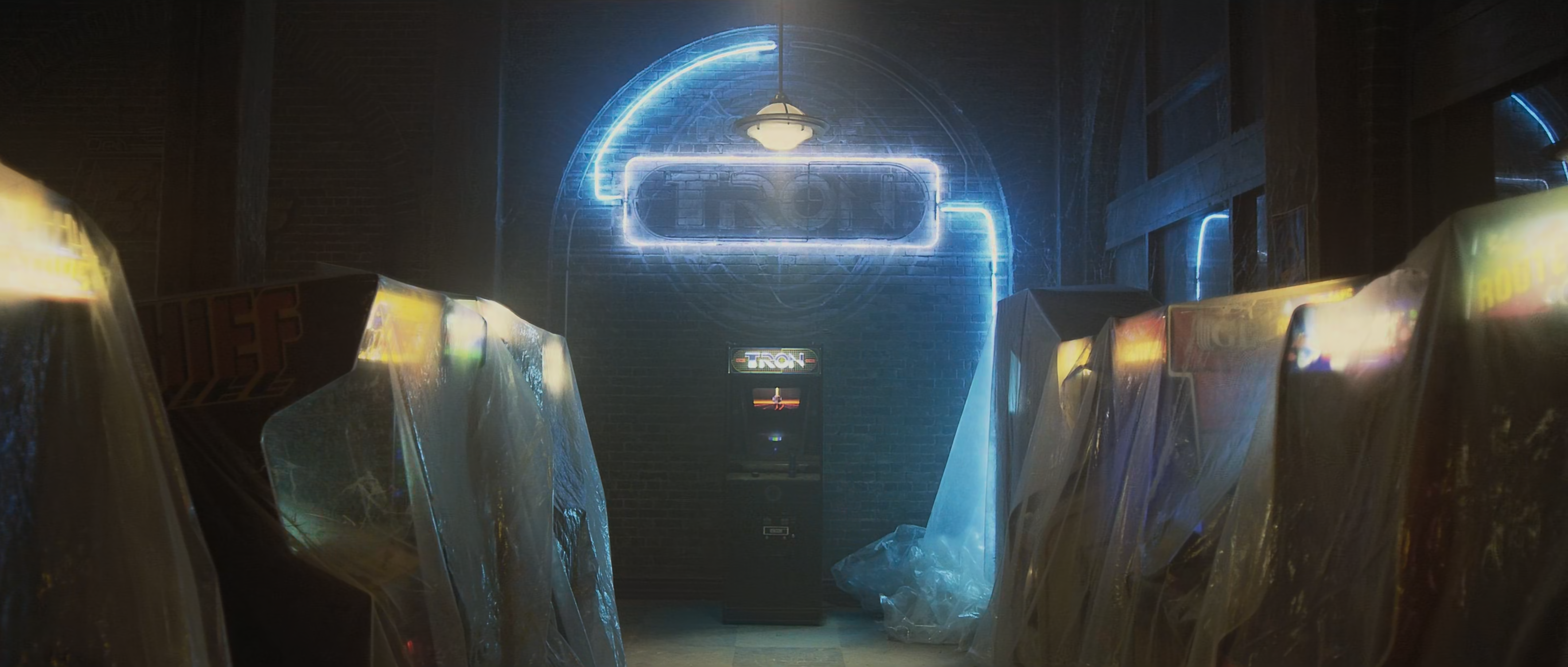
Unlike some of its verbal storytelling, the visual storytelling is superb, with nary a well-composed shot that doesn’t set something up or further the story, or tell you something about a character, or flesh out the world. And that’s not just once the film arrives in The Grid, with the real world first act being loaded with some wonderful visual set-ups that pays off later in the film. It also takes inspiration from the hyper-precise animated digital camera moves of the original for its visual language. And when considering the cinematography, I think it’s worth mentioning that the film was shot digitally at a time when that was rapidly becoming more common but most Hollywood films were still shot on film. I think it’s a shame that digital cinematography has recently been pointed to as the reason for bland and flat imagery in films from the past few years because Tron: Legacy is a good example of a movie that really leans into the digital look and shows that digitally shot films can be beautiful and aesthetically distinct from movies shot on actual film.
I find too that Tron: Legacy is better paced than the original film, expertly balancing well-conceptualized and executed slick, gravity defying action scenes that benefit from a world unbound by realism (and a reason why I think Tron: Ares moving much of its action into the real world could be a mistake) with more subtle quiet moments. Even with all of its well-polished action, what I think the film does that strikes me as more remarkable is evoke a sense of awe and wonder for its electronic world, giving you moments to just soak it in and appreciate it. It’s a quality that seems increasingly rare in blockbusters even as digital effects have become ever more abundant and overwhelming but seem to lack a fundamental sense of wonderment for the impossible images they’re creating.

Joseph Kosinski was a director of high end commercials and a comrade of David Fincher’s (who gave Kosinski feedback on the rough cut of Tron: Legacy, and whose stylistic influence can be seen especially in Tron: Legacy’s real world scenes), but it’s still a remarkably assured feature film debut on his part, especially when considering the film’s great scale and scope. It’s easy to see how the experience served his later box office mega-successes, like his other legasequel, Top Gun: Maverick (2022), or the Brad Pitt vehicle *hold for applause* F1, which has a number of well-executed, high speed race sequences that recall the lightcycle scene of Tron: Legacy.
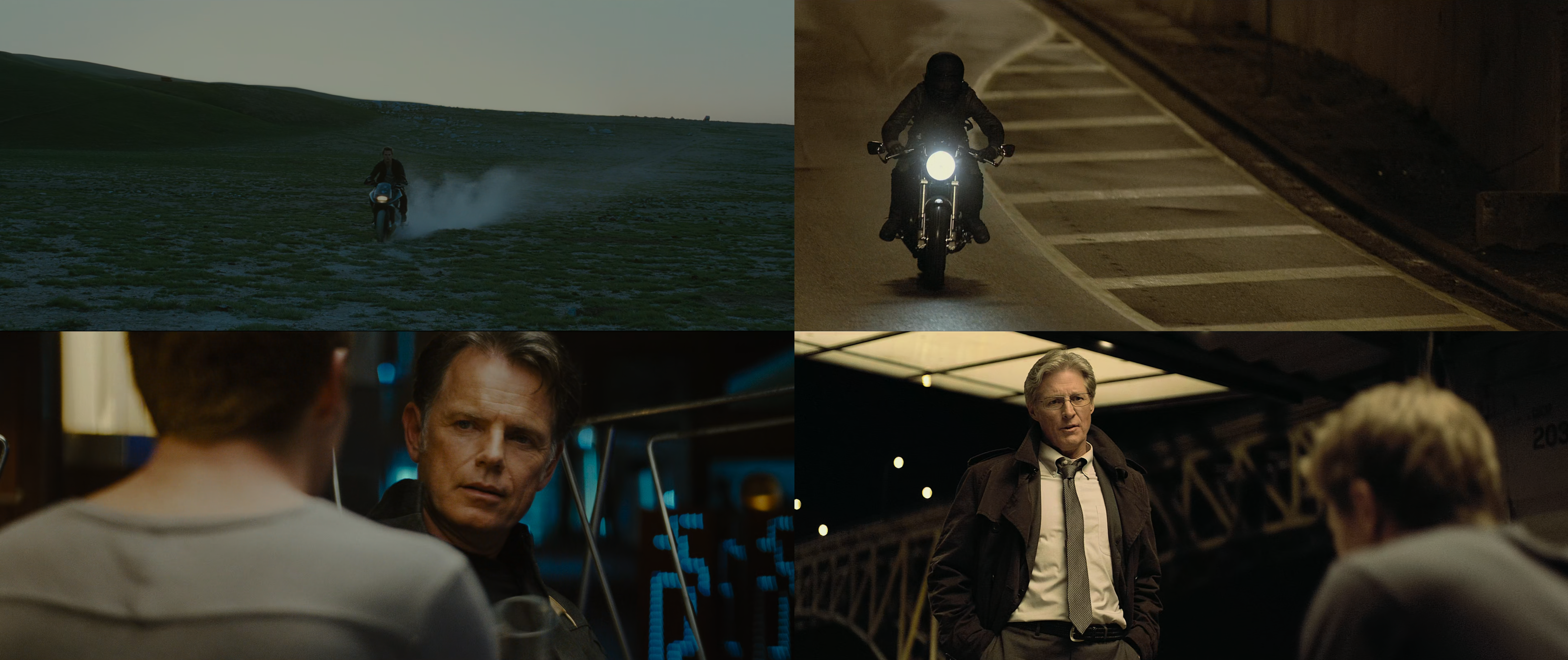
Of course even such a visually exciting film runs the risk of falling flat if the people in it aren’t interesting, so I would like to spotlight a few members of its cast and characters. Foremost would be Garrett Hedlund who leads the film, and who received some of the film’s harshest criticism, but whom I think carries the film well despite having a few things stacked against him. He plays Sam Flynn, the son of Kevin Flynn, and introducing a character as the “son of” a popular character from years ago can often be a recipe for failure, forcing comparisons and hobbling their ability to stand on their own, but Sam fills his fathers shoes fairly well and comes across as a likeable character in his own right. His introduction sets him up well to be charming and likeable, with him undercutting a greedy corporation by leaking their new operating system to the public for free, and making a daring but bungled escape. There’s a lot of the reimagined Captain Kirk from Star Trek (2009) to him; a rebellious young man who lost his father when he was young, drives a motorcycle, and lives recklessly until a grey-haired mentor figure (in Tron: Legacy’s case it’s hero of the original film, Bruce Boxleitner, who also returns as his real world user Alan Bradley) gives them a direction in life and sets them on their great adventure.
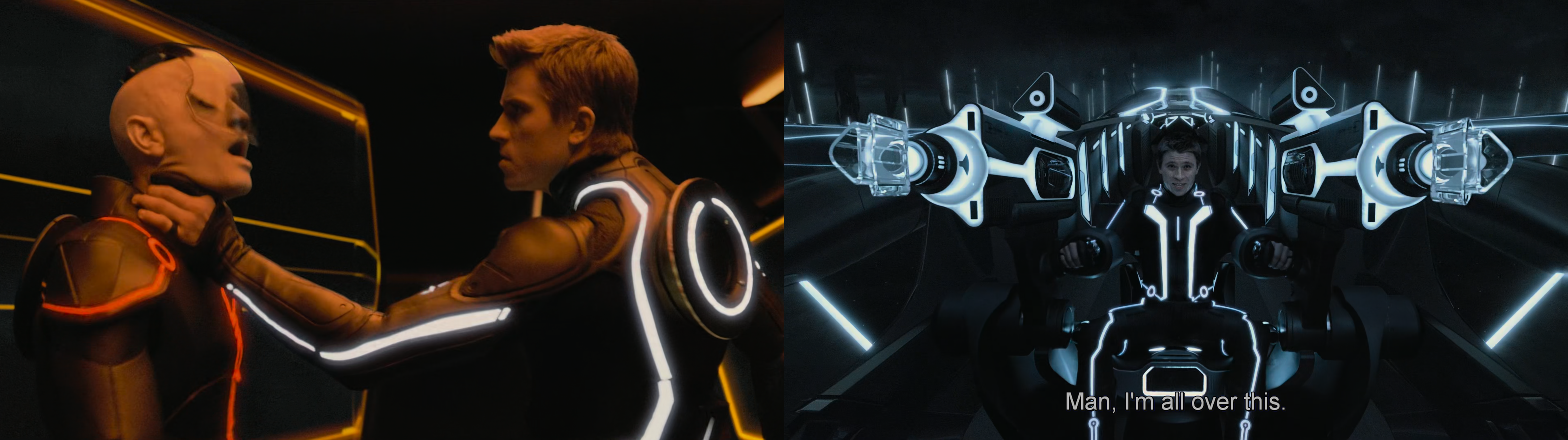
Hedlund fits the role well enough, but I think unfortunately is also often tasked with delivering some very generic action movie lines with the burden on him to maintain a sense of humanity in action scenes that are so technically perfect that they run the risk of coming across as sterile. I think too that some moments like when he has to threaten a pathetic henchman by grabbing their throat when just a look may have been more impactful, do cut into the character’s likability. So I think some un-nuanced criticism pointed to Hedlund himself for certain issues in the film, even though I think he does well with what he was given and has proven to be a capable character actor in the years since, despite never catching on as a leading man. Anyway, in spite of those issues, I think Hedlund makes it to the finish line and manages to make Sam feel like a compelling character while having solid chemistry with his co-stars.
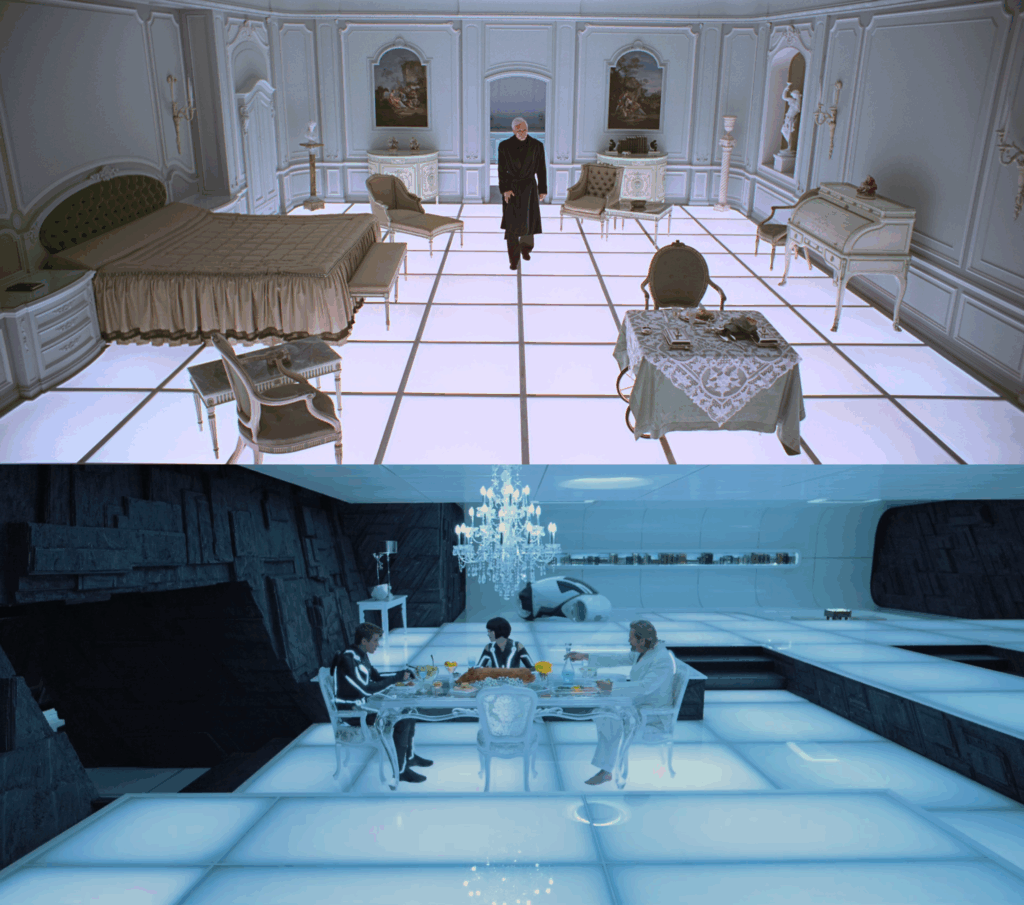
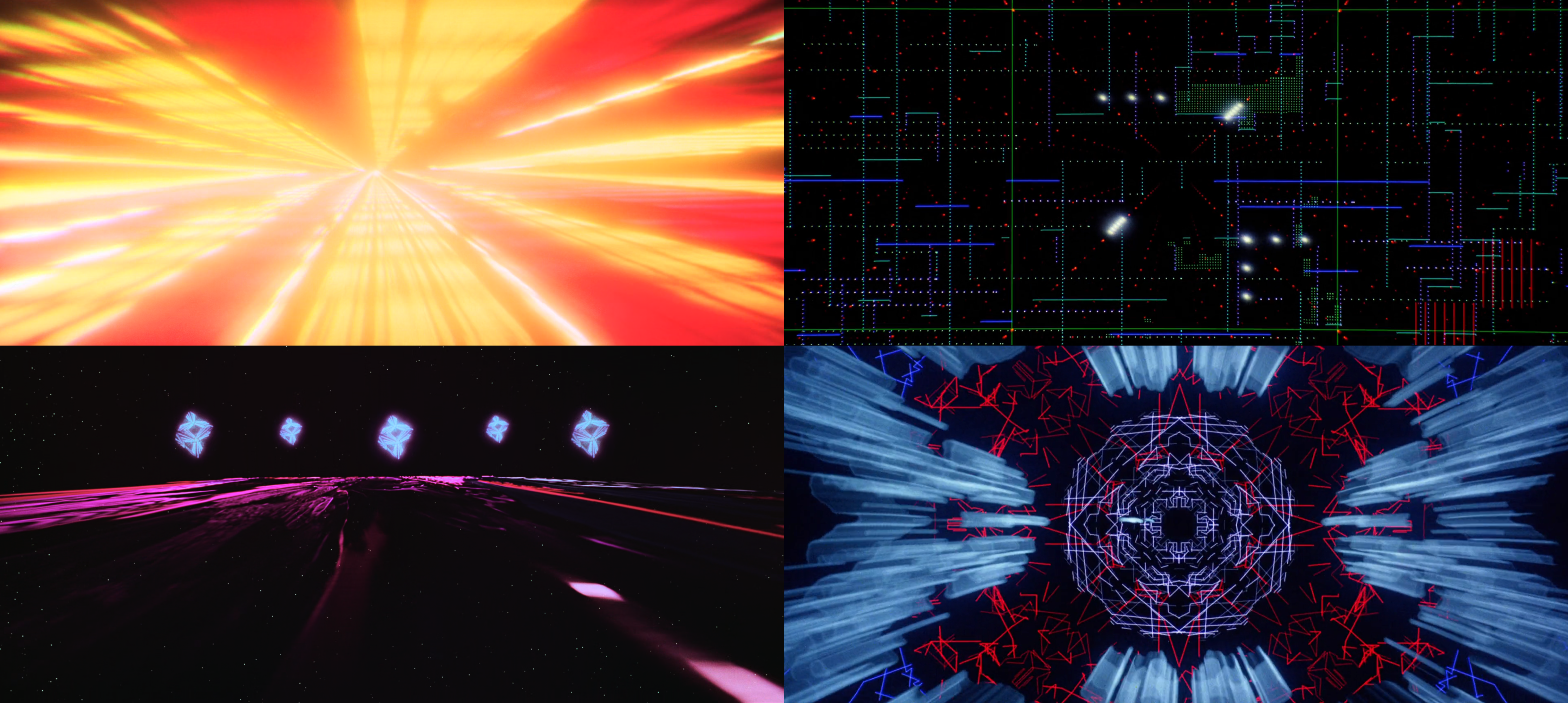
Even though he’s not quite the lead, Jeff Bridges probably has more to do in terms of acting in Tron: Legacy than he did in the original film, returning as both Kevin Flynn as well as Clu, an expendable look-alike program that was reimagined into the new antagonist. When the film reintroduces us to the aged Kevin Flynn, looking like he’s living in the alien environment made for humans from the end of 2001: A Space Odyssey (1968),*1 it’s an effective moment seeing how much the man has changed since 1982, though there are enough little hints to believe that it is indeed the same character, with some not too distracting callbacks like “It’s all in the wrists.” I actually think Kevin Flynn is a more interesting character in the sequel than he was in the first film. A lot of what made him a likeable protagonist wasn’t so much the writing as the laid back natural charm and charisma that Jeff Bridges brought to the character, and I think the time between films was well-taken as an opportunity to add depth, history and change to the character. It’s an opportunity that many legasequels seem to shy away from, instead trying to make beloved characters appear just as they were vacuum sealed in plastic since we last saw them, like for instance Han Solo in Star Wars: The Force Awakens (2015). Bridges is also an actor who I think has been able to use aging to his advantage, wearing both his life and film experience well, and I think the remake of True Grit (2010) released later the same year as Tron: Legacy could make a case that Bridges was at the peak of his acting prowess at that moment in time.
Living is isolation and introspection, Kevin Flynn has adopted a Zen philosophy, which of course recalls Bridges’ beloved slacker character, The Dude from The Big Lebowski (1998), but he is soon called to take action by Sam, and it’s pretty compelling to see Kevin forced to move his philosophy from theory into practice. I think Bridges and Hedlund work well together, and one of my favourite performance moments in the film is when Sam’s willfulness gets under Kevin’s skin in the way that a child can, and he’s about loose his composure, but lets it go as a loving father and says wonderfully, “You’re messing with my Zen thing, man.” Really the father-son dynamic is the heart of the film, and Bridges does much to sell that fatherly love and desire to make up for lost time. When he sacrifices himself to stop Clu and when asked why he says, “Because he’s my son” and I can’t help but get a little choked up at that.
The antagonist Clu is also an interesting worthwhile character in his own right. A program created by Kevin Flynn, tasked with pursuing an ideal of perfection, he feels betrayed by his creator when Kevin turns his attention to the sentient ISOs, beings that arose spontaneously from a combination of Kevin’s code and digital chaos. The jilted Clu’s pursuit of perfection leads him to initiating a coup d’état, taking over the grid, committing genocide on the ISOs, and as a dictator taking The Grid to its “maximum potential.” He’s a great foil for Kevin Flynn, reflecting his youthful misguided perfectionism and the broken relationship with his son. I think a major part of what makes Clu a compelling character is that sense that, as he says, he only did what was asked of him by his creator and feels genuinely wronged and unable to understand why he was abandoned by him. It’s an earned dramatic scene in the film when Clu finally confronts Kevin, saying “You promised that we would change the world together. You broke your promise.” And what Kevin has to say in response is “I know. I understand that now.” Kevin tells him that perfection is impossible to achieve but also “…right in front of us all the time. You wouldn’t know that because I didn’t know that when I created you,” which underscores how Clu’s villainous actions are a consequence of Kevin’s youthful lack of philosophical perspective as a creator. It’s also followed by an interesting character moment from Clu who has an opportunity to kill his creator, but can’t bring himself to.
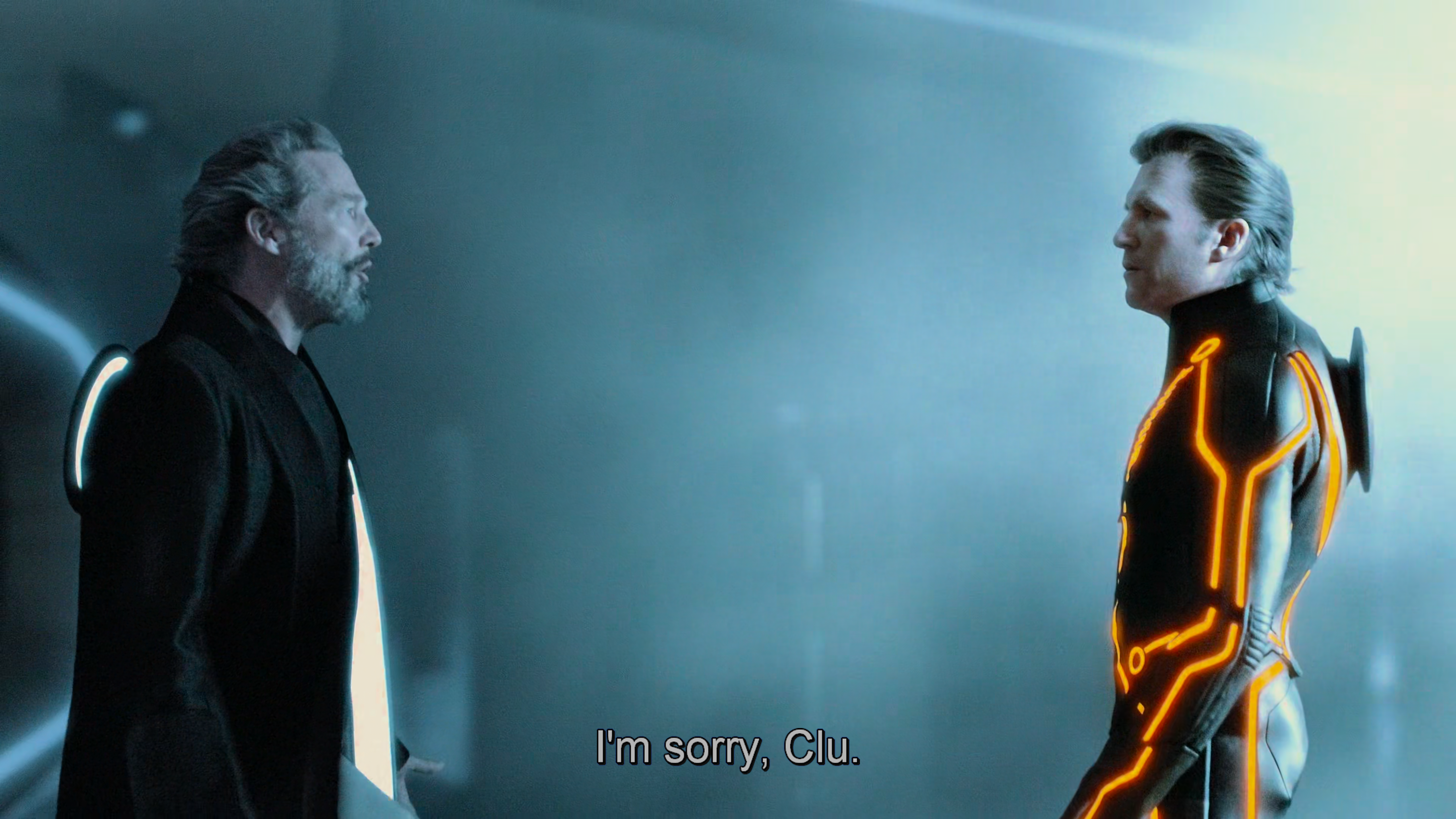
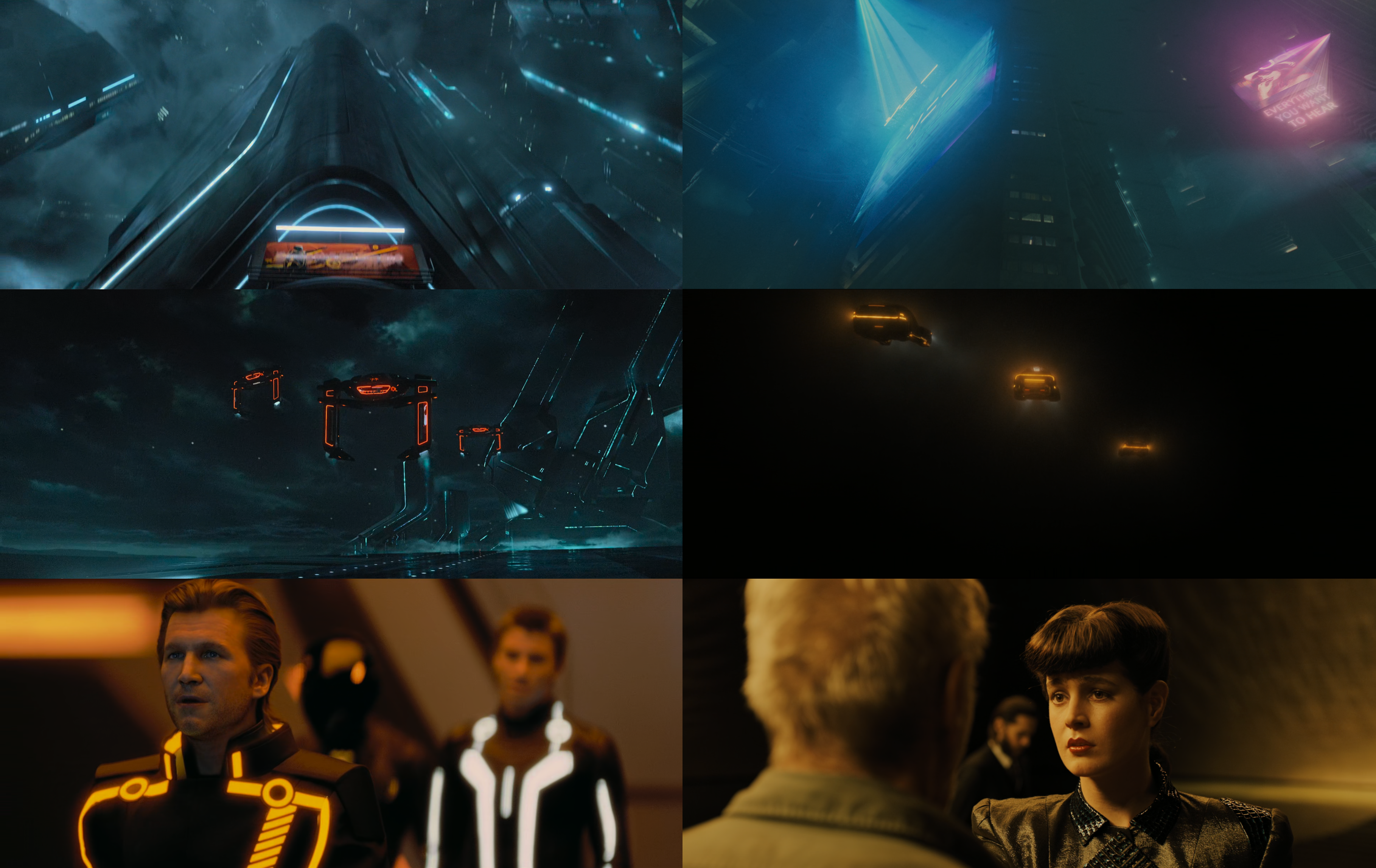
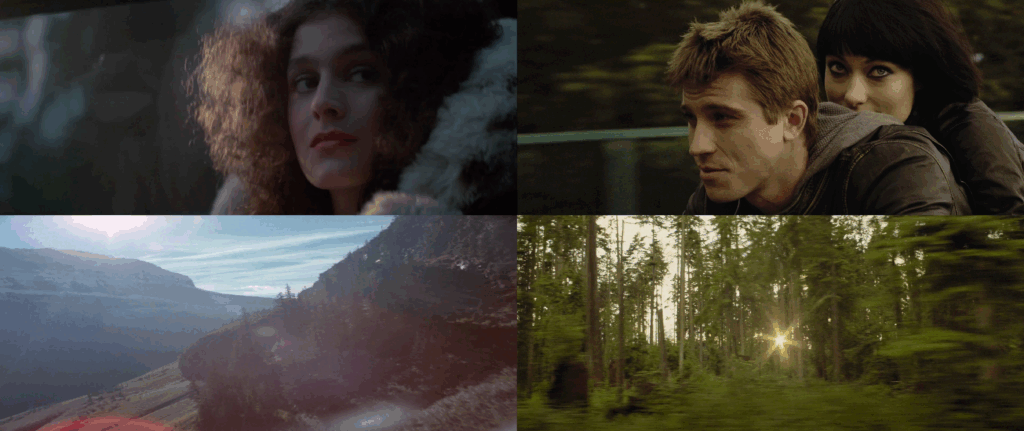
As a copy of a younger version of Kevin Flynn, Clu would be created largely through digital de-aging techniques, combining Bridges’ voice and facial performance though digital capture with a body double. Perhaps this was biting off a little more than what technology could chew at the time, as while most of the film’s digital effects have held up astonishingly well, I don’t think the de-aging effect is ever fully convincing. Films like X-Men: The Last Stand (2006) and The Curious Case of Benjamin Button (2008) made sparring use of digital de-aging, but Tron: Legacy fully embraced it, using it extensively as an integral part of the film even if the technology wasn’t quite up to the task, and in doing so perhaps should take a good chunk of the blame for opening the cinematic pandora’s box that has led to a host of dead-eyed, de-aged cameos in recent years, not to mention the ethically dubious and grotesque digital imitation of deceased actors like Peter Cushing in Rogue One (2016) or Harold Ramis in Ghostbusters: Afterlife (2021) or the despicable climax of The Flash (2023). Don’t even get me started the rise of deepfake technology! Honestly though, outside of the opening scene of a young Keven Flynn saying goodnight to his son that is jarring no matter how many times I watch the film, I don’t really mind the use of de-aging once it’s used for the character of Clu as an unsettling doppelgänger. It adds a certain uncomfortably uncanny artificial perfection that actually suits the character, with the scene where he first meets Sam who believes him to be his father being the best example of that effect. It’s not unlike the use of a digitally de-aged Sean Young in Blade Runner 2049 (2017),*2 a film that I think takes some inspiration from Tron: Legacy in updating the visual world established in its 1982 predecessor. With both films it perhaps adds a dimension that is representative of the dangers of hollow appeals to nostalgia coldly replicated by digital technology, and the consequences of technological progress without being governed by a philosophy.
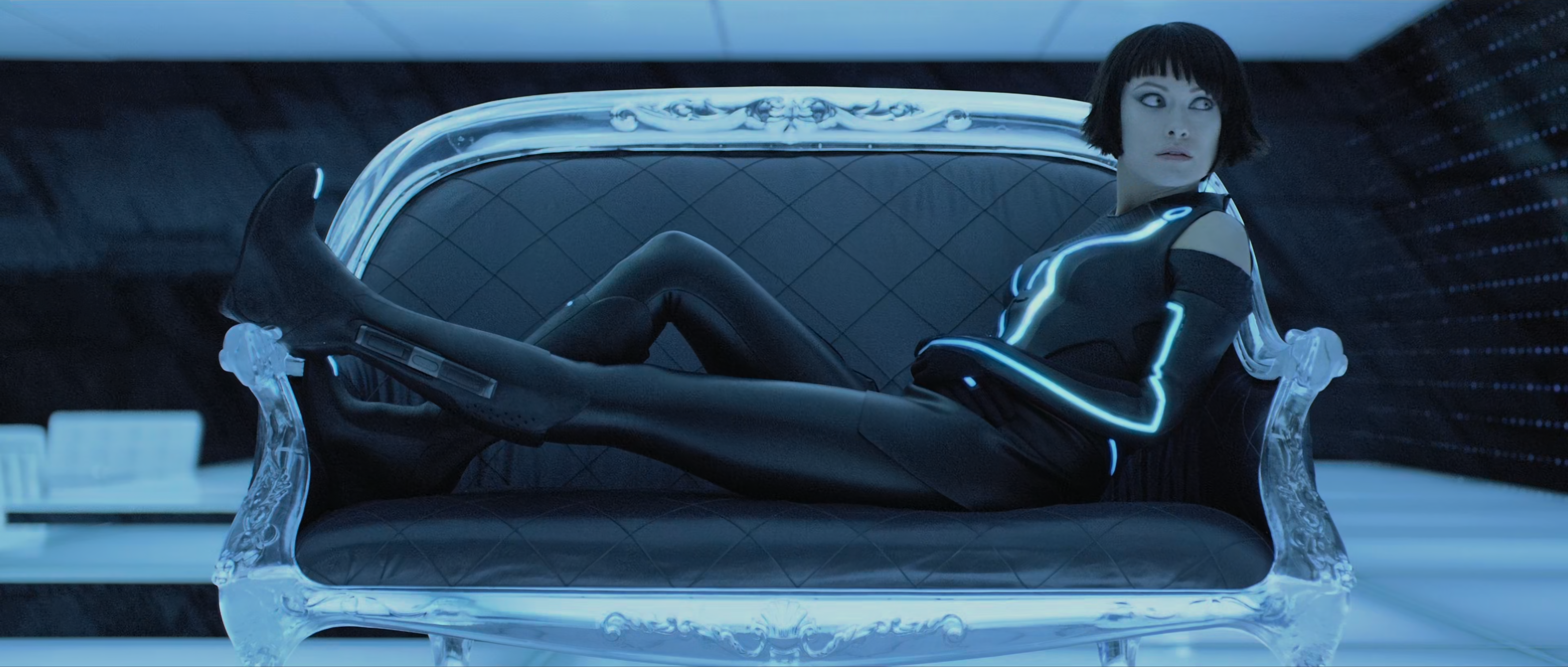
Another equally important character is Quorra, the last of the ISOs who is protected and mentored by Kevin Flynn. She’s played by Olivia Wilde who strikes a delightful balance between infectious wide-eyed enthusiasm and action heroine coolness. Quorra is a character that does evokes some of the “waif-fu” and “born sexy yesterday” tropes that seem to have largely been youtube essay-ed out of existence in the current film landscape, but it’s a reminder of why those tropes became popular in the first place, with Milla Jovovich’s wonderful performance in The Fifth Element (1997) coming to mind as a major point of comparison. It’s charming to see Quorra earnestly ask Sam what Jules Verne is like, and endearing to see her bravely put herself between him and harm’s way. It’s also interesting to have her perspective on the real world parallel our awe for The Grid, with the ending of the film being a beautiful moment of her seeing the Sun for the first time, echoing the ending of THX 1138 (1971).*3
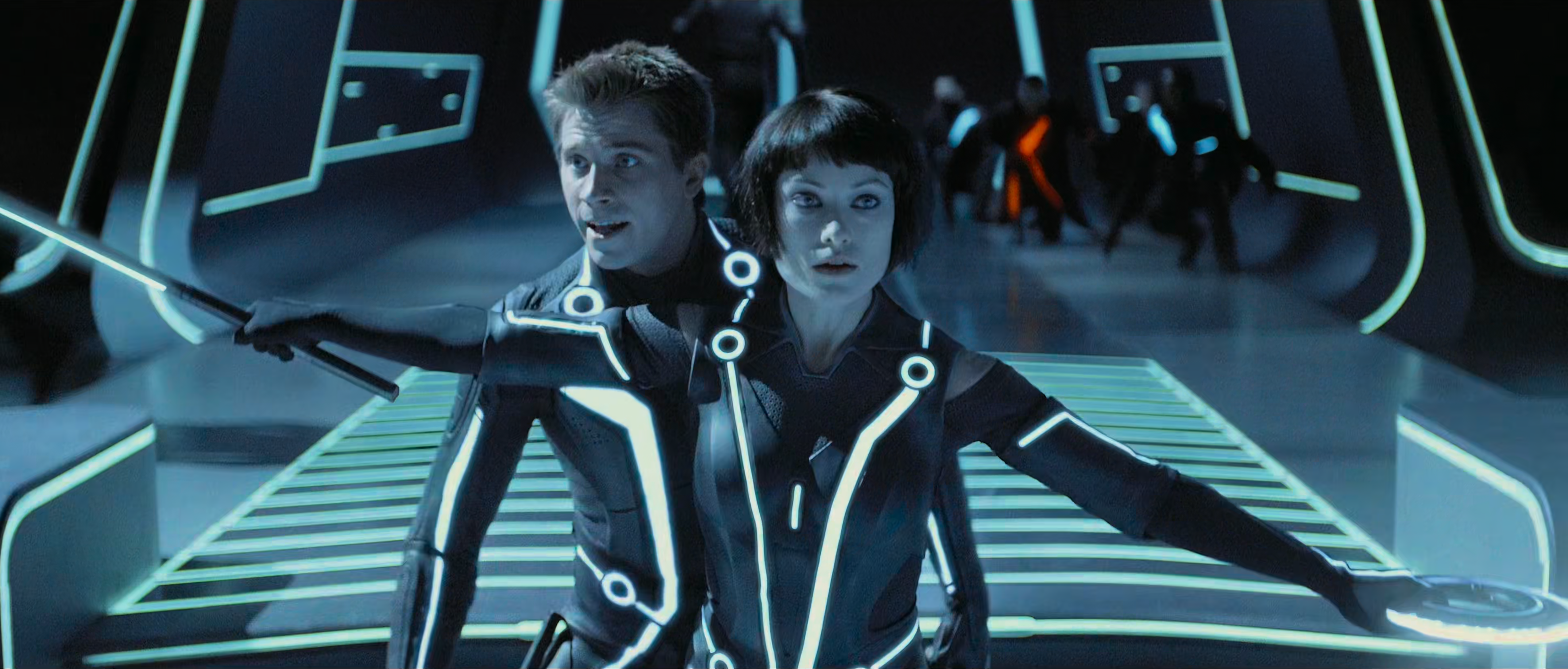
There’s a bit of flirty chemistry and glances between Quorra and Sam, but unlike the first film which featured a subtle two-layered love triangle, this one doesn’t bother with any real romance or kissing.*4 I’m fine with this though, and don’t really lump it in with the current trend of asexual films trying to appeal to sex-adverse 20-somethings. Mostly that’s because Kevin Flynn’s adoptive fatherly mentor bond with Quorra does give shades of a sibling-like dynamic to her and Sam, and it’s easy to imagine a full-fledged romance between them coming across as unintentionally off-putting because of that. Also the film still has a distinct, albeit tamely juvenile, sense of sex appeal, and I imagine that a lot of young people who saw the film when it was first released left with crushes on Quorra or Sam. Most of all they’re both engaging though, and I think it’s understandable why now even fifteen years later, so many fans have expressed frustration with Tron: Ares not being a sequel focused on them as the main characters.
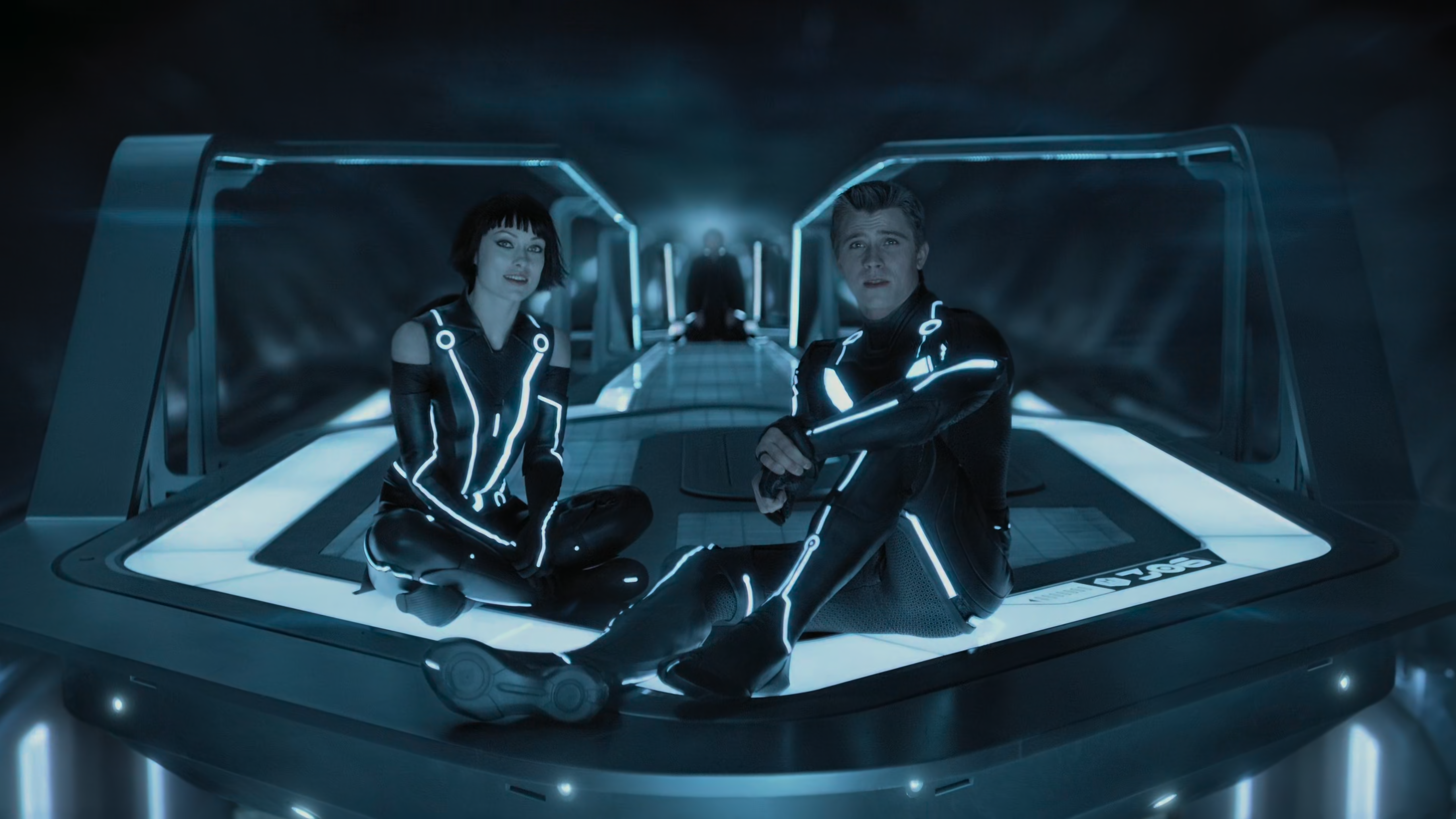
I’ve already touched on a few of Tron: Legacy’s themes, although I do want to give them a proper look before wrapping up. They’re central to why the film doesn’t feel hollow. The examination of fatherhood gives the film an emotional core, but it’s probably the way the film builds on the philosophies of technology and the metaphysical that the original explored that fans most enjoy discussing. There’s the strong notion that technological advancements do not inherently hold any sort of intrinsic enlightenment, or advancements to the human condition. Rather it argues for the importance of thoughtfulness in technological creation because technology amplifies the ideologies that go into creating them, with an emphasis on the folly of perfectionism and mindless optimization. There are some cautionary historical allusions mixed in there as well, with Clu’s reprogrammed regime and his extermination of the ISOs not being especially subtle. It’s perhaps worth pointing out that Michael Sheen, with the sort of entertaining camp usually reserved for episodes of 1960s Batman, plays a character who double-crosses the main characters and sells out to Clu, named Zuse… not “Zeus” as I first thought even though it fits with the many Hellenistic allusions in both Tron films, but rather likely a reference to the pioneering German computer scientist Konrad Zuse, who infamously allied himself with the Nazis. With that in mind I think the film could be taken as a warning about how the advancements of technologies without the presence of ethically and philosophically-minded creators can be outright dangerous.
As far as the religious theming of the film, the original played with the idea that divinity may just be a matter of scale and perspective, as Kevin Flynn learns that some programs see their users as their personal deity, which evokes the classic Twilight Zone episode, The Little People. There’s also an element of religious persecution thrown in, as the authoritarian Master Control Program works to suppress the beliefs in programs, as it furthers a vendetta of controlling humans, and the hero Tron being a sort of religious crusader as he “fights for the User.” Kevin Flynn’s role in that is he comes to appreciate the programs’ struggles by being brought down to their level and finding that the faith they have in him drives him to help do what is right for them as best as he can. I appreciate that Tron: Legacy didn’t shy away from the somewhat heady religious concerns brought up in the first film, and does a lot to further develop them, laying on plenty of spiritual allusions and archetypes. There’re so many little religious or mythological comparisons that are invited. There’s Kevin Flynn being an exiled creator who strongly evokes gnostic concepts in addition to his Zen beliefs and Buddha-like decorum and wisdom. There’s The Grid functioning as both an Eden in Kevin Flynn trying to create a perfect world that is doomed to fail because of the actions of his creation, and also an underworld like in the story of Orpheus ad Eurydice that the heroes must try to escape from. There’s Sam being the son of the creator who arrives to redeem The Grid, and Quorra as a naive Eve-like figure who disobeys Kevin Flynn at a crucial moment. There’s also Clu presented as a fallen angel who is both a satan-like opposition to Kevin Flynn, even as they might be a Yin and Yang part of a whole. It goes on and on…
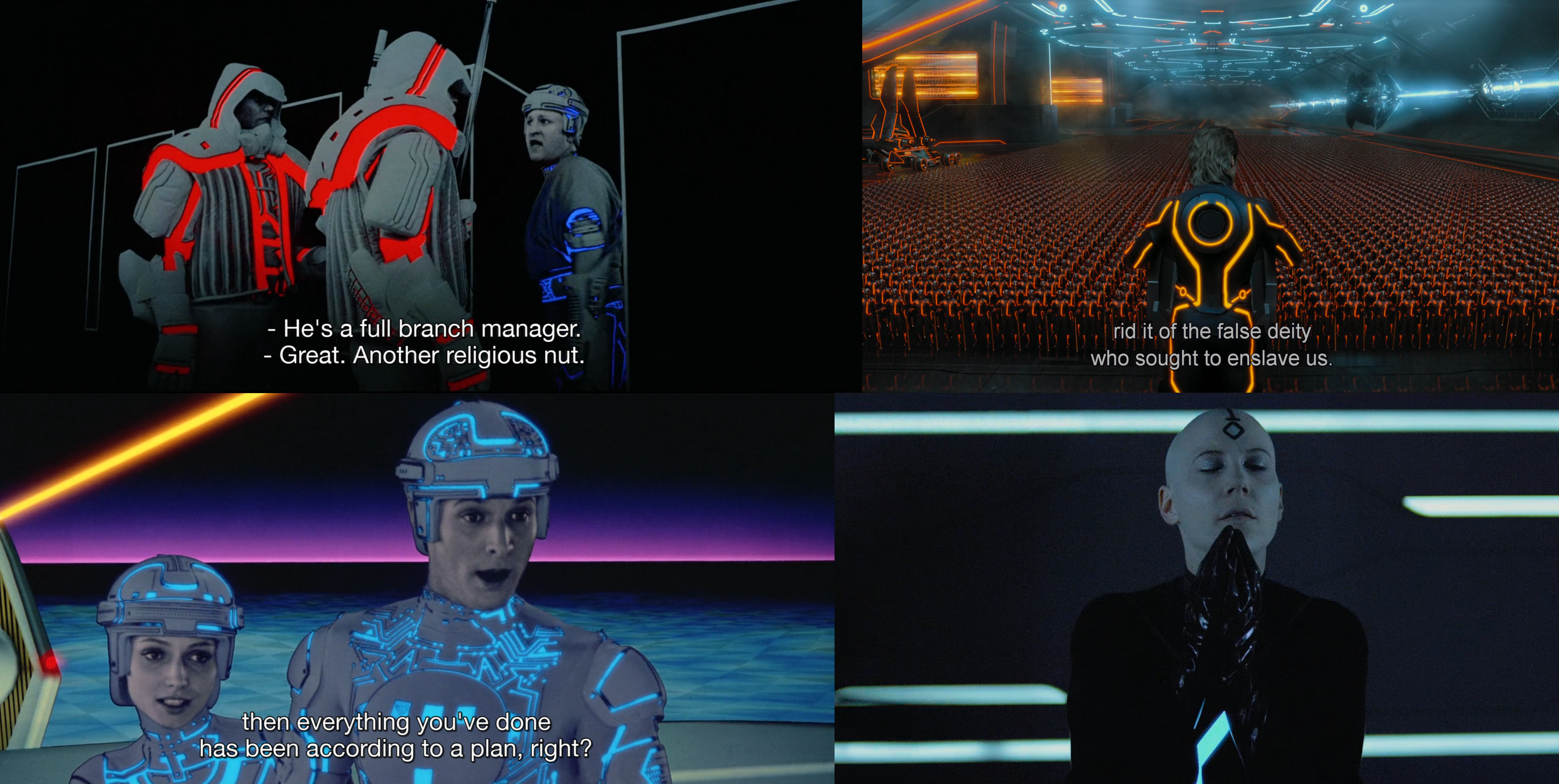
At one point Clu, upon entering Kevin Flynn’s sanctum even literally reflects on some possibly forbidden metallic fruit… or maybe it’s just a little visual joke about Apple computers. Anyway, I’m not sure all these allusions are intentional or come together in an entirely coherent way, but at the very least they are fun to highlight.

The final virtue of Tron: Legacy that I want to mention is that it sincerely uplifts the legacy of Tron. If I’m being honest, my own introduction to the original Tron was not exactly positive. I’d first heard of it through pop culture jabs like the Simpsons joke about few people having seen the film, and by the time I eventually watched Tron I had already been blown away by the likes of The Matrix (1999).*5 Therefore it was difficult not to regard Tron as quaint, and, dare I say, dorky. However, the release of Tron: Legacy had me take a second look at the original film, and find a new appreciation for it. By 2010, Tron suddenly felt a lot more, dare I say, cool.
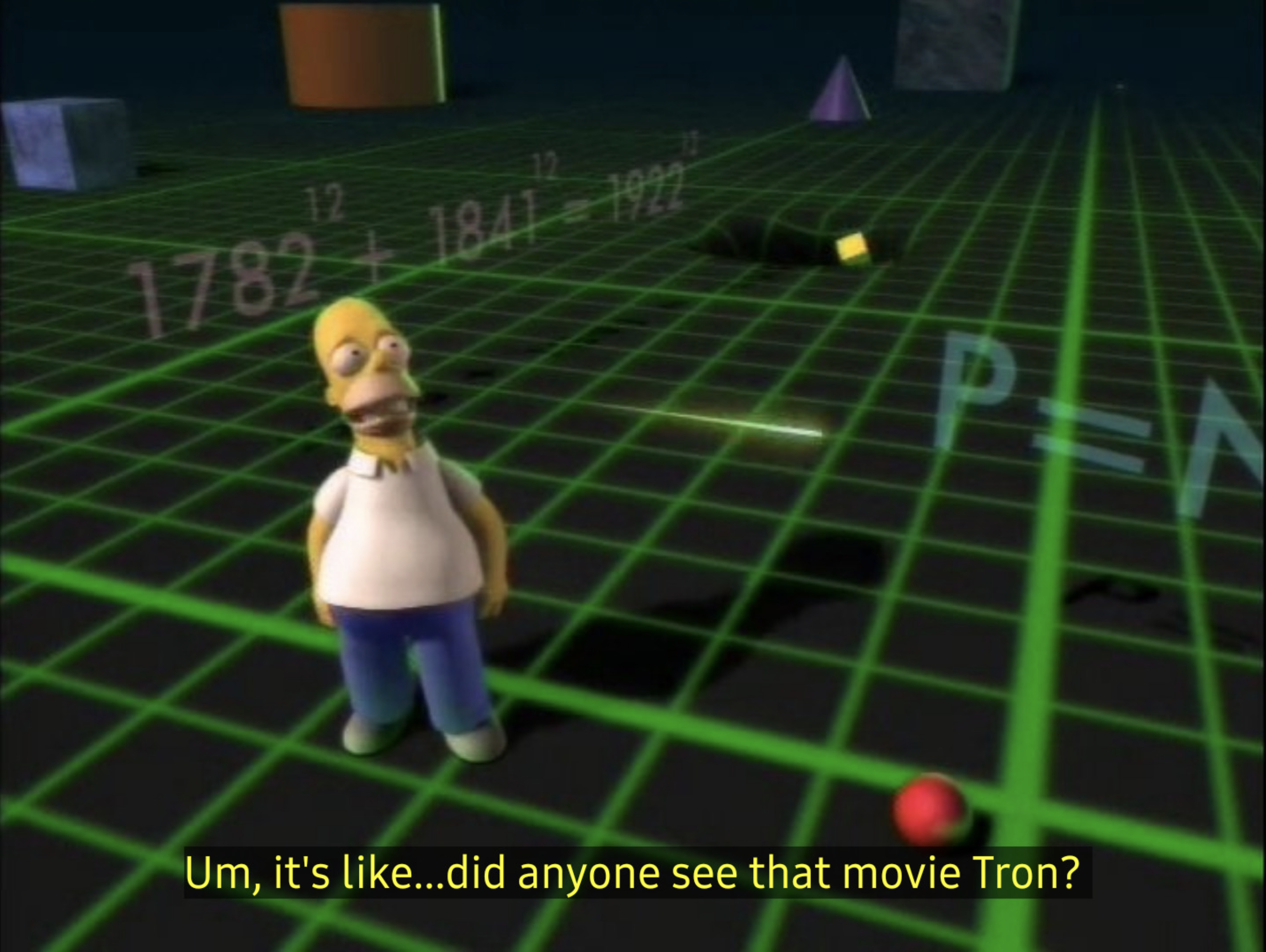
“Treehouse of Horror VI” The Simpsons (1995), dir. Bob Anderson.
With style of course everything new becomes old, but what’s old sometimes becomes new again, and there’s been a well deserved surge of appreciation for the early era of digital technology, when artists had to use creativity to overcome the heavy limitations of technology at the time, with many modern artists creating digital work that harkens back to the elegant simplicity of 8-bit or 16-bit video games or early synthesized music. With that in mind, the original Tron’s sounds and visuals have found a renewed appreciation for their grace. Even when Tron had to resort to using analogue special effects techniques to create the illusion of a digital world, there’s an unmistakable vision to it all, and a charm now that these days very often digital special effects are used to create the illusion of an analogue world. I also find more and more admiration for its story about the little guy triumphing over the dehumanizing forces of ethically bankrupt corporate interests and philosophically bankrupt artificial intelligence. And maybe more than the philosophy within the film, I admire that Tron is a film made with a philosophy, fighting for the necessity of artists and thoughtful people at the forefront of technological progress. Today, it seems like there is a constant assault on the very presence of artists in digital spaces, especially with the heavy push of so-called “generative A.I.” I think that makes the mission statement of Tron feel as potent as ever, and Tron: Legacy living up to that is a reminder that it is not a vain pursuit.
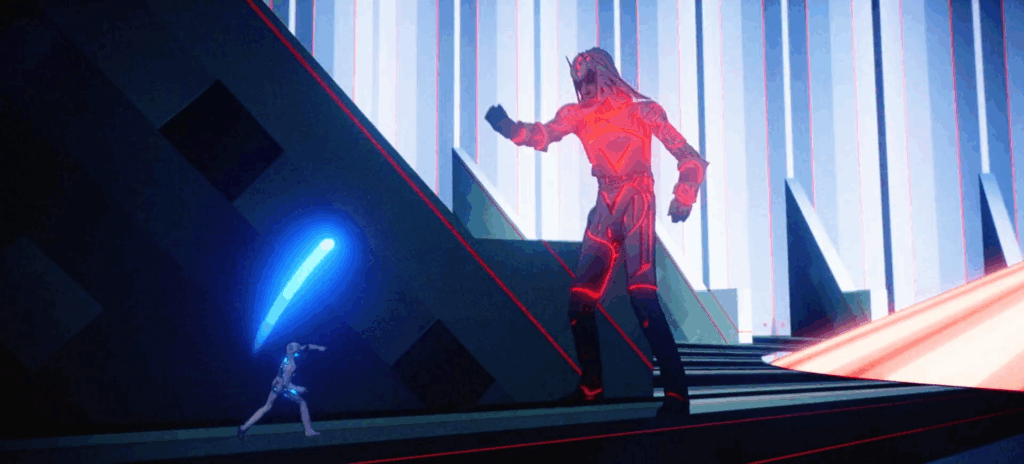
Maybe now really is the perfect time for a new Tron film, though again my expectations for Tron: Ares are quite low. I guess we’ll see. At the very least I can always go back and watch the first two again. I think both films have their flaws, but for pop entertainment movies, they have a forward thinking daringness, and unmistakable elegance and nobility. I think that’s what makes Tron: Legacy a worthy follow-up, and why it has achieved its own hard-won cult classic status and proven that it has a staying power now that fifteen years have passed since its release.
Saying goodbye for now to The Grid of Tron: Legacy, I can’t help but think once again of The Wizard of Oz, which was recently debased with artless algorithmically generated imagery for its screenings at the Sphere venue in Las Vegas. Particularly I think of the ending, when Dorothy insists that she hadn’t just had a dream. “This was a real, truly live palce, and I remember that some of it wasn’t very nice, but most of all it was beautiful.”
____________________
*1 – An appropriate environment to find him considering how the original Tron evoked 2001: A Space Odyssey for the sequence in which Kevin Flynn is digitized.
*2 – It’s maybe appropriate that Blade Runner 2049 would take some inspiration from Tron: Legacy, considering that Tron: Legacy shows a fair bit of influence from the original Blade Runner. Probably most obviously in the ending, which strongly evokes the end of the theatrical cut of Blade Runner where the protagonist and an artificial woman escape the artificial environments that the films had been heavily steeped in, and there’s a sense of relief as nature and sunshine are seen for the first time in the film.
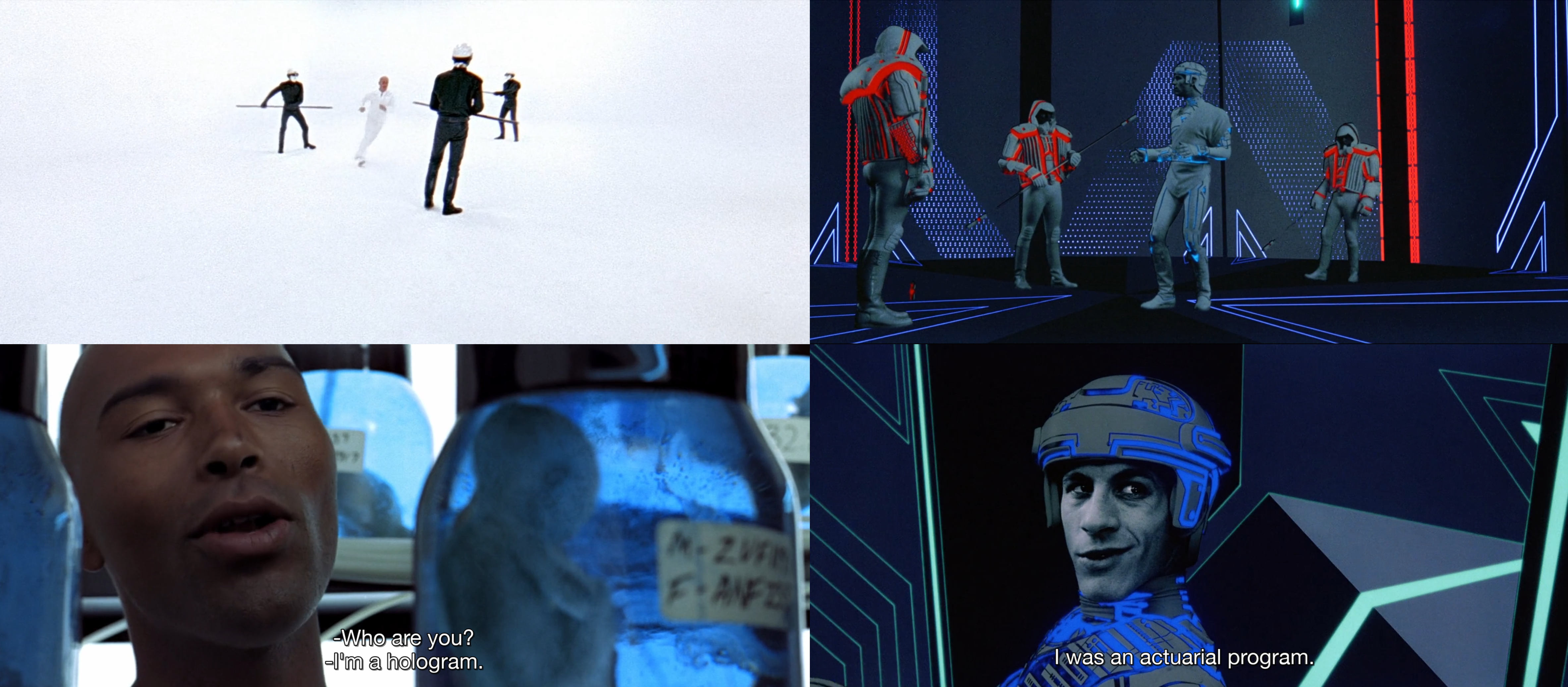
*3 – Whether intentional or not, it’s an appropriate connection, because while the original Tron aspired to the crowd-pleasing blockbuster appeal of Star Wars (1977), on some levels it inevitably has more in common with the oppressive electronic labyrinth of George Lucas’ first feature film THX 1138. As its holographic character SRT portrayed by Don Pedro Colley says, “… electrically-generated realities, and all that.” It’s a profound artistic work as well as a minimalist science fiction masterpiece, but it’s also a deeply haunting and alienating experience to watch, which in addition to being a box office bomb, seems to have made it too chilly a film to develop a true cult following.
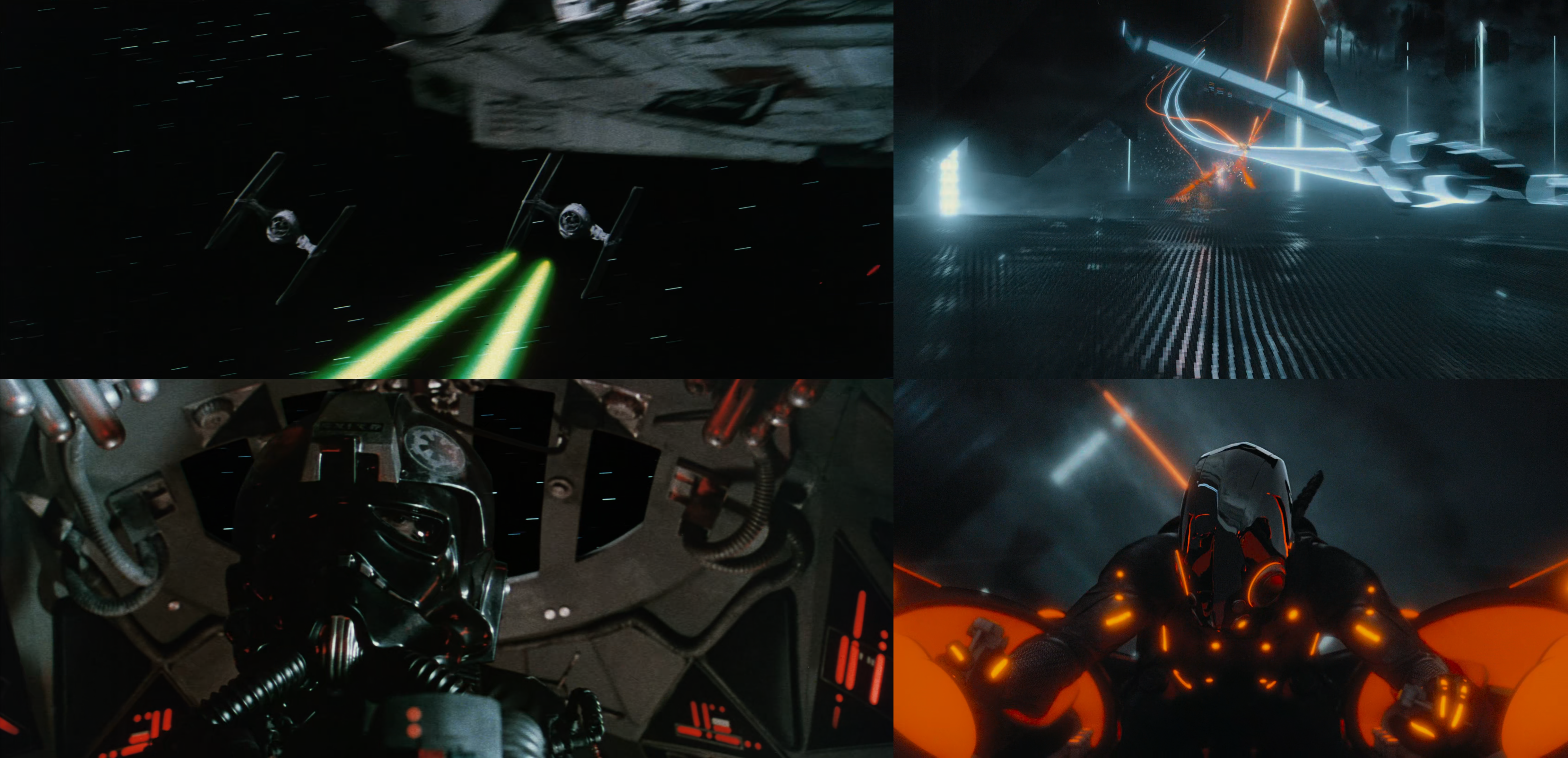
Of course there’s plenty of Star Wars in Tron: Legacy as well. Probably the most obvious instance is the climactic aerial battle which heavily visually quotes the dogfight sequence when the Millennium Falcol escapes the Death Star. And Joseph Kosinski would also continue to reference Star Wars in his films, with maybe the most obvious example being the heavy borrowing of the trench run on the Death Star sequence for the big set piece in Top Gun: Maverick.
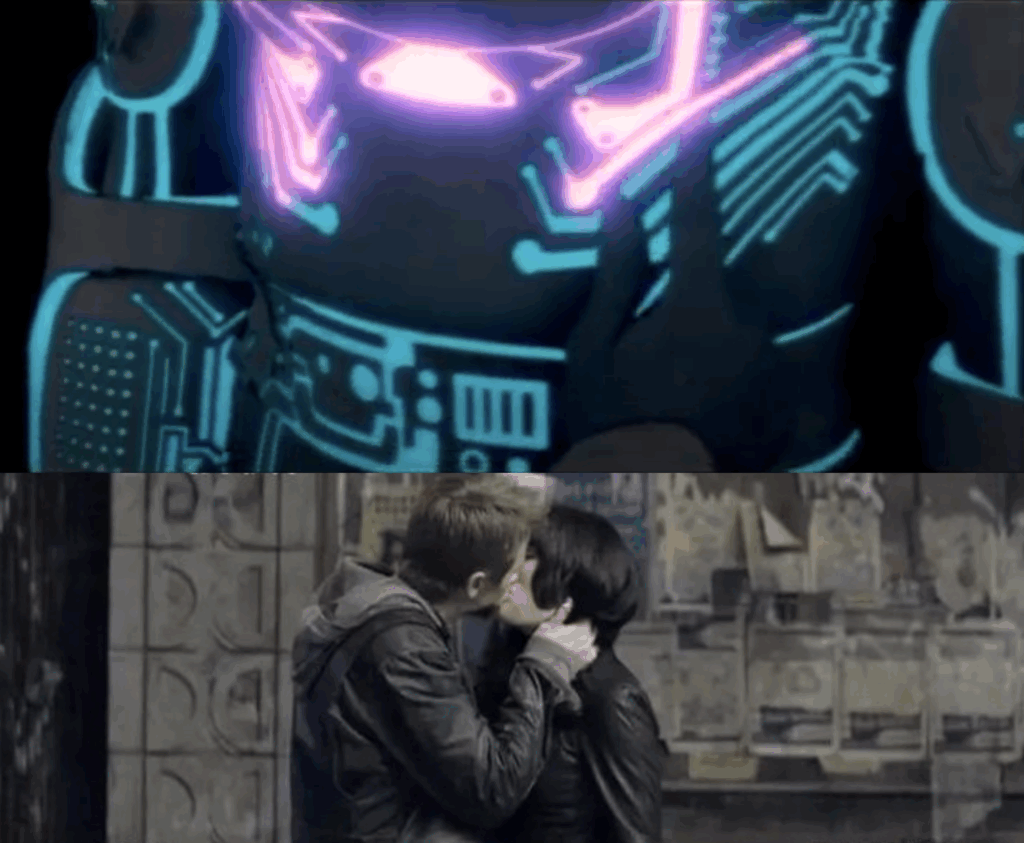
*4 – Apparently a kiss between Sam and Quorra was filmed for the film’s ending, but not used. The original Tron similarly excised a scene that was fairly explicit about the romantic and sexual interest Yori has in Tron. I understand that it may have been little racy for a film primarily intended for children, but I do think it’s a shame it was cut though because it’s quite a beautiful scene.
*5 – It’s a little bit ironic because Tron: Legacy drawing heavily on the style of The Matrix. As many, many films did in decade or so following its release.