
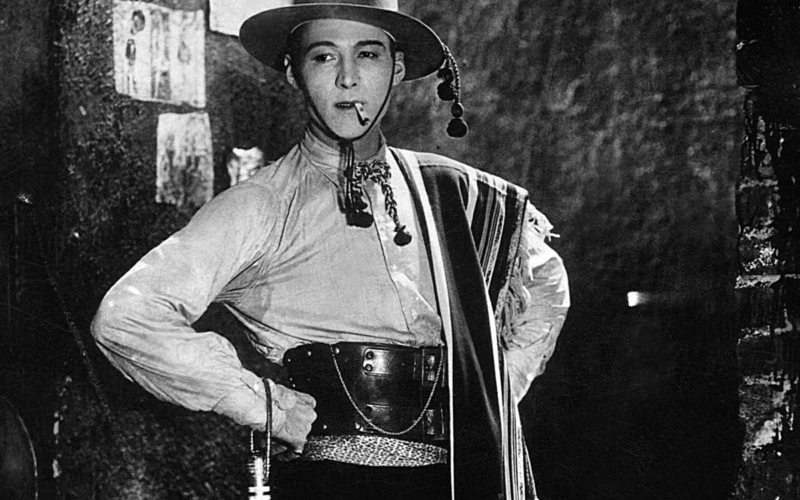
Rudolph Valentino: Sex, Scandal and Tragedy.
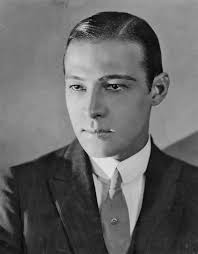
A hundred years ago this year, in August 1926, thousands of people lined the streets of New York City, waiting for news. Their focus was on the New York Polyclinic Hospital, hoping for the best, but fearing the worst. It was an outpouring of emotion for an actor who, today, is barely remembered by the general public, but whose legacy transcended the medium to such an extent that his name still means something special. The news was not good. Rudolph Valentino, the man loved by women for his good looks, and by men for his daring athleticism, was taken from the world at the age of 31. He had been in hospital for 8 days, and the New York press had covered every moment of it.
On the 15th of August, Valentino was taken ill after collapsing shortly before noon in his apartment at the Hotel Ambassador on Park Avenue, Manhattan. He had been suffering from a stomach ulcer for a few weeks, but hadn’t taken it seriously. A doctor was called and he was transferred to the hospital, where he had an emergency operation which involved suturing a perforated ulcer and removing his appendix. Originally things looked good. He awoke later that evening and seemed more concerned about a Chicago Tribune article that questioned his masculinity. The news went out that his condition was fair and the next forty-eight hours were crucial. Two days later, his health deteriorated when it was discovered pleurisy had spread to his lungs. This was potentially a fatal condition, although Valentino was never told this. When the Chairman of United Artists, Joseph Schrenk, visited that evening, Valentino insisted he felt fine.
Newspapers, including The New York Times, and the Associated Press, ran frequent bulletins provided by his doctors. These reports were often surprisingly clinical, detailing the “perforation of the gastric ulcer” and the onset of “septicaemia.”
Only weeks prior, on 18th July, 1926, a Chicago Tribune writer, furious at discovering a facial powder dispenser in a men’s public bathroom, wrote an editorial entitled “Pink Powder Puffs” in which he blamed Rudolph Valentino for the apparent decline of American masculinity. After his death, many journalists pivoted, framing his struggle in the hospital as a “heroic, masculine battle” against insurmountable odds, effectively rehabilitating his image as a “strong man” in the eyes of his male critics.
Though radio was in its relative infancy as a news medium, it played a crucial role in spreading the news instantly. Short, breathless announcements interrupted musical programmes, ensuring that even those not near a newsstand were aware of his “gallant fight for life.” Valentino died at 12:10pm on the 23rd of August at the age of 31.
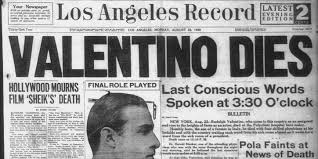
When the time came, it hit the entire country. The Wisconsin News famously ran a gargantuan headline that simply read: “VALENTINO IS DEAD!” The Los Angeles Record simply stated: “Valentino Dies”.
Media outlets were quick to report – and likely exaggerate – the wave of “Valentino Suicides.” Stories of a woman in London taking poison while clutching his photograph, or fans attempting to leap from hospital windows became front-page fodder, fueling the mass hysteria narrative that defined the week.
The United States, and many more countries around the world were consumed with grief. Thousands upon thousands of mourners – fans from around the country who felt compelled to be there descended upon the Frank E. Campbell Funeral Church on Broadway. Women in cloche hats and summer furs, driven to a fever pitch of grief, pressed against police lines until, it is claimed, the plate-glass windows of nearby shops shattered under the sheer weight of human devotion.
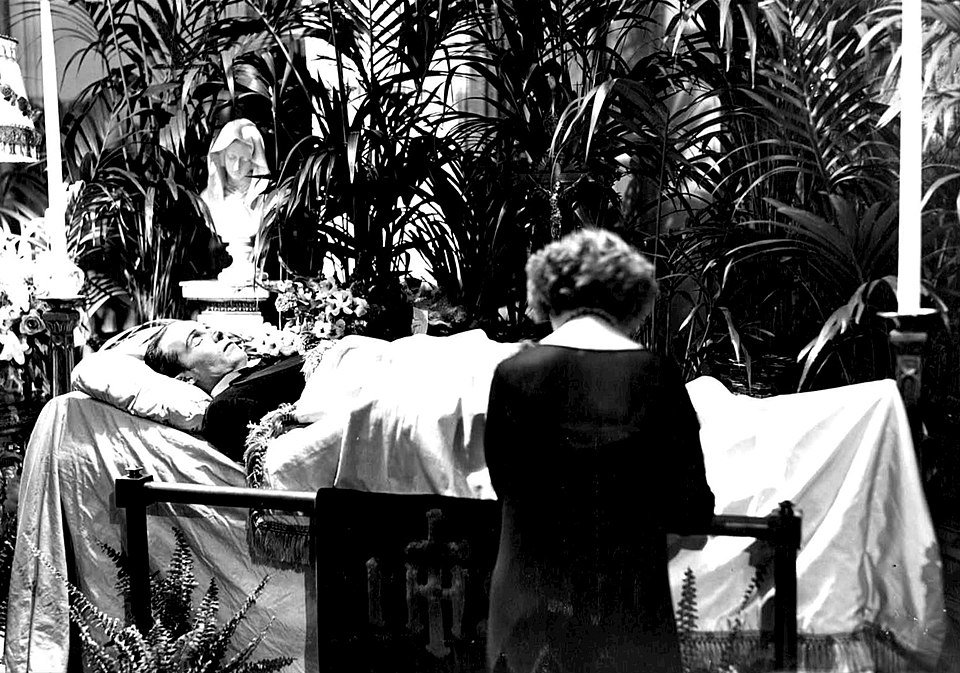
Inside the funeral home, the atmosphere was a jarring contrast to the chaos of the streets. The Gold Room was draped in heavy, somber velvets, the air cloying with the scent of thousands of lilies and roses that had been sent from every corner of the globe. Valentino lay in a silver-bronze casket, his handsome features waxen and still. The Great Lover was now a silent exhibit, something that seemed strange to his audience who knew, until now, knew only his vibrance and sultry charm.
One of the more bizarre reporting incidents involved Blackshirt guards at his funeral. The press initially reported that Benito Mussolini had sent an official honour guard to stand by the casket. It was later revealed by investigative journalists to be a publicity stunt orchestrated by the funeral home director, Frank Campbell, to heighten the drama.
The funeral itself was a massive affair. Over 100 mounted police were called in to manage a crowd of 100,000 mourners. People fainted from the heat and the crush, others climbed lamp posts just to see the hearse. It was a manifestation of grief that rivaled monarchies and emperors.
His last journey was a train across the country to Los Angeles. At every station, crowds gathered in the middle of the night just to watch the train pass, as if seeing it would make the spectators part of the event. When the train reached Los Angeles, the atmosphere shifted from the frantic energy of New York to a more staged, cinematic solemnity. The stars of the silver screen – Mary Pickford, Douglas Fairbanks, and Charlie Chaplin – stood as pallbearers, their faces grim under the California sun. They were burying one of their own. One woman, dubbed the “Lady in Black,” appeared at his crypt in the Cathedral Mausoleum of Hollywood Forever Cemetery, and became a permanent fixture of the Valentino legend. Clad in heavy veils, she would kneel and leave a single red rose, a ritual that suggested a love that transcended the grave.
So who was Rudolph Valentino and how did he become so popular? His story was a rags to riches journey that involved scandal, murder, romances and a standoff with the studio that employed him.
Born (take a deep breath) Rodolfo Alfonso Raffaello Pierre Filibert Guglielmi di Valentina d’Antonguolla, Southern Italy, in 1895, the boy who would become an icon was the son of a veterinary doctor father and a mother of French descent. Valentino didn’t excel in school and it was said he was more of a dreamer than an academic. He applied for the navy, which was rejected, ironically, for his physical stature. He drifted through agricultural school and was eventually lured to the bright, decadent lights of Paris. But even that wasn’t enough. He wanted more. He wanted the American dream.
When he arrived at Ellis Island in 1913, he was just another Italian immigrant. He spent his early American years in poverty, working as a busboy at the exclusive private member’s club, Maxim’s, and as a gardener on Long Island. That’s when he became a taxi dancer – a man hired by dance halls to partner with lonely or unaccompanied women. His speciality was the tango, a new sensation that was popular with many of the New York elite. This was not the sanitised ballroom dance of the modern era, but a gritty, sensual, and controversial import from the slums of Buenos Aires. In Rudolph’s arms, the Tango became a weapon of seduction and a means to impress. He possessed a kinetic intelligence, a way of moving that suggested he was always one step ahead of the rhythm and the woman he led.
Soon, his abilities and reputation began to grow and he became an exhibition dancer with Bonnie Glass, a prominent American vaudeville and exhibition ballroom dancer. Although he could make more money as a Taxi Dancer, this position was more stable and there was much more room for progress. Cashing in on his European mystique, he started using the stage name Signor Rodolfo .
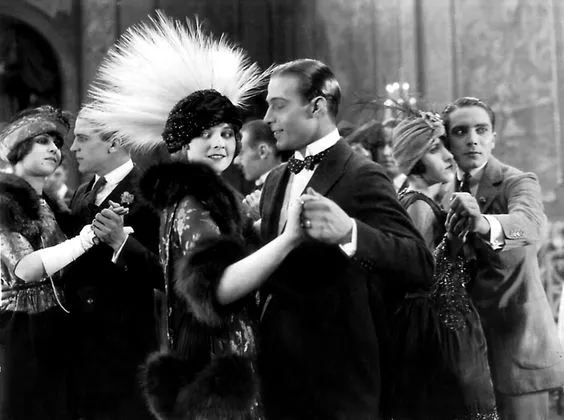
In 1915, he became fatally entangled in a scandal involving Manhattan high society, a mistake that nearly ruined him before his film career even began. The scandal centered on Blanca Errázuriz, a wealthy Chilean heiress, and her husband, John “Jack” de Saulles, a prominent millionaire and former Yale football star. The marriage was collapsing due to Jack’s notorious infidelity and it was through Valentino that Blanca discovered that her husband was having an affair with Valentino’s new dance partner, Joan Sawyer.
Blanca sued for divorce, and Valentino agreed to take the witness stand. His crucial testimony regarding Jack’s infidelity ensured the divorce was granted in late 1916. Utterly furious, the well-connected Jack sought swift revenge.
On the 5th of September, 1916, the police descended upon a Seventh Avenue apartment near Carnegie Hall, where Valentino had been living as a lodger. In a moment of high-stakes drama, he was arrested alongside a woman named Georgia Thyme. The young dancer was accused of being a pimp in a white slave investigation, facing time in prison on charges related to the Mann Act (a United States federal law that prohibited the interstate transportation of women and girls for prostitution, debauchery, or “any other immoral purpose”) and the mysterious disappearance of three women. Thyme, identified by authorities as a notorious madam, was also detained. Assistant District Attorney James E. Smith hinted at a more sinister operation, suggesting the raid targeted suspected instances of blackmail where wealthy socialites were preyed upon after clandestine visits. District Attorney Edward Swann fed the press a disparaging portrait of the young Italian, claiming he confessed to being a fraudulent aristocrat. Swann mocked his appearance, describing a “handsome fellow” of twenty who wore corsets and wristwatches. Ultimately, however, the case crumbled for lack of proof. Their bail was slashed from a staggering $10,000 to $1,500, and the charges were soon lifted. Even so, the newspapers had dragged Valentino’s name through the mud and destroyed his dancing career.
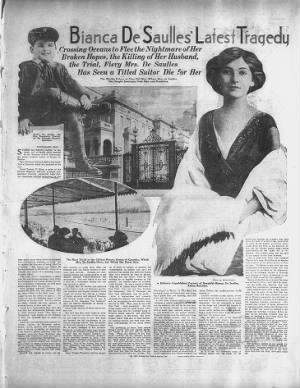
The dispute reached a tragic climax the following summer. Jack refused to honor the child custody agreement, keeping their young son at his Long Island estate. On 3rd of August, 1917, Blanca confronted Jack on his porch which quickly turned sour. When he mocked her, she drew a revolver and shot him five times.
Jack died the next day, and Blanca’s subsequent sensational murder trial ended in an acquittal. Terrified of being sucked back into the courtroom drama and thoroughly blacklisted in New York, Valentino changed his name and fled to California, his career in ruins and his reputation badly damaged. But Hollywood has a way of washing people’s sins away, especially if they sell tickets.
Initially, Valentino did not look for stardom, he simply needed to eat. Because of his background as an exhibition dancer, he managed to find sporadic work in local dance halls and high-end cafes around Los Angeles, partnering wealthy women for a fee. It was during these dancing gigs that he began making connections on the fringes of the theatrical world. Norman Kerry, a young actor who would later become a well-known leading man (including The Hunchback of Notre Dame, 1923) befriended the young Italian and suggested that with his striking looks and athletic build, he might find easy money working as an extra in the movies.
In those early days, the film industry categorised actors strictly by physical type. With his dark hair, sharp features, and olive skin, Valentino was immediately pigeonholed as a foreign villain or an exotic heavy. Directors looked at him and saw an untrustworthy screen presence, perfect for playing apaches, thieves, shifty night-club patrons, and continental seducers who would eventually be thwarted by the wholesome Anglo-Saxon hero.
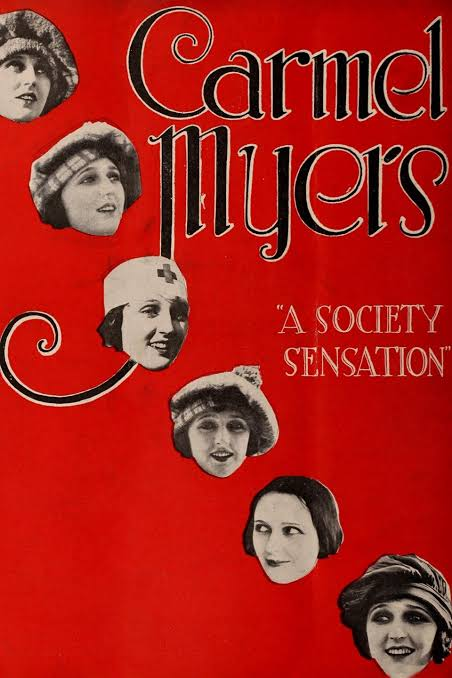
Between 1917 and 1920, he drifted from studio to studio under various names, including M. De Valentina and Rodolfo di Valentina, picking up uncredited extra work and small, thankless roles. He could be seen briefly tangoing in the background of society dramas or playing minor ruffians in films like A Society Sensation and The Eyes of Youth. It was gruelling, low-paid work, sometimes being little more than a living prop.
The major turning point came because of a visionary woman named June Mathis. She was the head of the scenario department at Metro Pictures and one of the most powerful executives in early Hollywood. Mathis had purchased the film rights to Vicente Blasco Ibáñez’s bestselling anti-war novel, The Four Horsemen of the Apocalypse, and she was determined to find an actor who could embody the fiery, romantic spirit of the main character, Julio Desnoyers.
Studio execs wanted a safe, established American star, but Mathis refused. She had seen Valentino in a small, villainous role in a 1919 film called The Eyes of Youth and had been transfixed by his screen presence, noting that he possessed a rare, fluid grace and an intensity that leaped off the screen. She fought the studio bosses fiercely, risking her own reputation to insist that this unknown Italian dancer be given the lead.
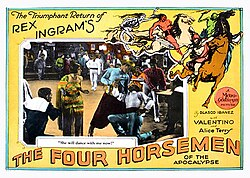
Mathis got her way, and it changed cinema history. Released in 1921, The Four Horsemen of the Apocalypse was a monumental triumph. The film became one of the highest-grossing silent movies of all time, and almost overnight, the former penniless immigrant who had fled New York in disgrace was transformed into Hollywood’s first global male sex symbol.
The famous Tango scene is a perfect example of how the human body could create meaning and nuance even when there is no dialogue. Every twitch of his brow and every deliberate shift in his weight conveyed a simmering tension that dialogue would have only diluted. He moved with a feline grace that was entirely foreign to the stiff, Victorian archetypes of the early 20th century. The scene begins with violence; a man and woman are dancing together as the crowd watches. Valentino cuts in and, after he is rebuffed, he hits the man over the head and begins dancing. It ends with a kiss, the seduction is complete.
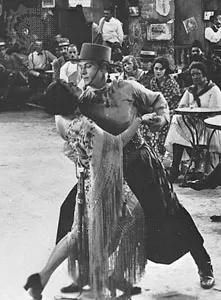
By the film’s conclusion, as Julio finds redemption amidst the horrors of the Great War, Valentino proved he could carry the weight of a tragic epic, moving beyond the bit parts and caricatures, into the realm of a serious dramatic actor.
This continued in The Sheik, a film that was also wildly successful, and allowed him to further cement his reputation as the screen’s romantic Latin lover. Based on the wildly popular, scandalous romance novel by Edith Maude Hull, the film follows a charming, fiercely independent British socialite named Lady Diana Mayo (Agnes Ayres) who is abducted in the Algerian desert by the wealthy and powerful chieftain Sheik, Ahmed Ben Hassan.
Throughout their time in his opulent desert camp, the initial tension and captivity gradually give way to a passionate romance, culminating in a dramatic rescue from a rival bandit tribe and the revelation that the Sheik is actually of European noble birth (Hollywood could never allow an actual man of colour to get the girl of course). It was a massive commercial triumph, grossing over one million dollars for Paramount Pictures, and turning Valentino into a global superstar.
Blood and Sand (1922) offered a critique of the very fame that he now enjoyed. Playing Juan Gallardo, a young bullfighter who rises from poverty to national adoration only to be destroyed by his own vanity and a predatory femme fatale, Valentino tapped into a dark, prophetic energy. The film is a lush, visual feast, chronicling a man coming apart. Valentino used his body to express Juan’s physical prowess in the ring and his psychological fragility outside of it. This willingness to appear vulnerable and even defeated was something audiences rarely saw from a huge star like Valentino on the big screen at that time.
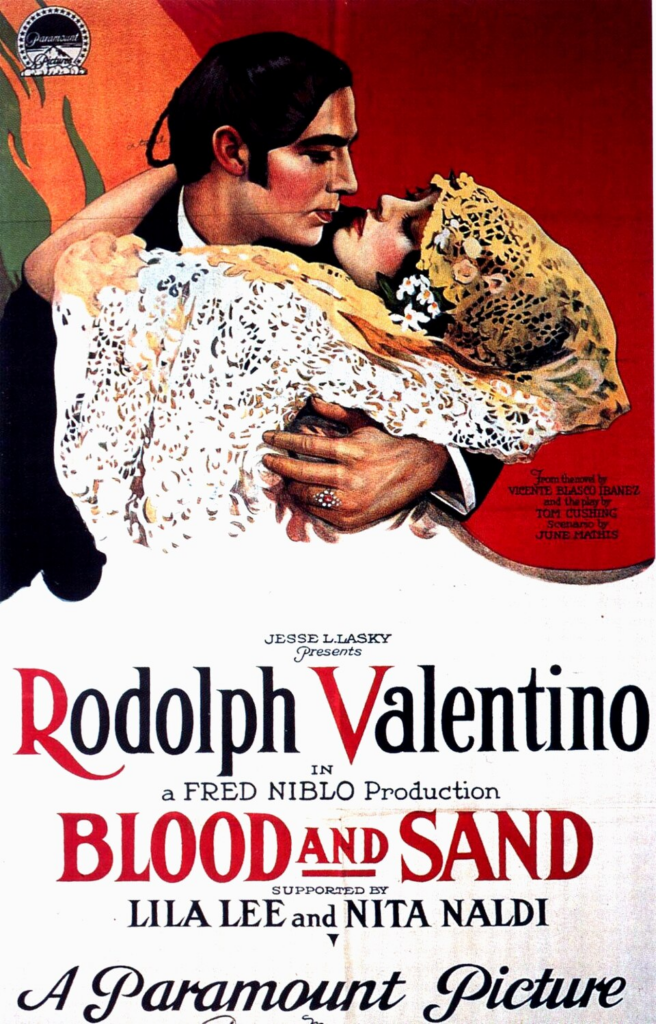
Following the monumental success of The Sheik and Blood and Sand, Valentino became deeply frustrated with Famous Players-Lasky, the parent company of Paramount Pictures. He felt creatively stifled by the formulaic romantic roles they forced upon him, and he was equally furious about his salary, which remained a modest $1,255 a week while his films generated millions for the studio.
In August 1922, Valentino went on a one-man strike, refusing to report to work or appear in any further studio productions until his contract was renegotiated for better pay and artistic control. The studio retaliated by launching a fierce public relations campaign to paint him as an ungrateful, money-hungry diva, prompting Valentino to take his case directly to the public. He penned an impassioned, candid open letter to the editors of Photoplay magazine, which was published in their November 1922 issue, explicitly laying out his grievances. In the letter, he defended his right to strike, explaining that his refusal to work was not merely about money, but about a desire to make higher-quality motion pictures that respected the intelligence of his audience. He argued that the studio was treating him like a commercial commodity rather than an artist, and he famously declared that he would rather starve than continue to appear in cheap, rushed, assembly-line productions that compromised his artistic integrity. The studio countered by using a legal injunction to block him from accepting any other film work, forcing Valentino onto a prolonged hiatus from the screen that lasted nearly two years.
In Monsieur Beaucaire (1924), a film criticised for its decadent costumes and heavy art direction, Valentino’s talent for physicality shone through. Under the influence of his second wife, the visionary and often domineering Natacha Rambova (an American dancer, costume designer, art director, and Egyptologist whom Valentino married in 1923), Valentino embraced a refined, almost effeminate beauty. In the powdered wigs and silks of the French court, he presented a masculinity that was decorative yet dangerous. He was proving that a leading man did not need to be a rugged frontiersman to be powerful.
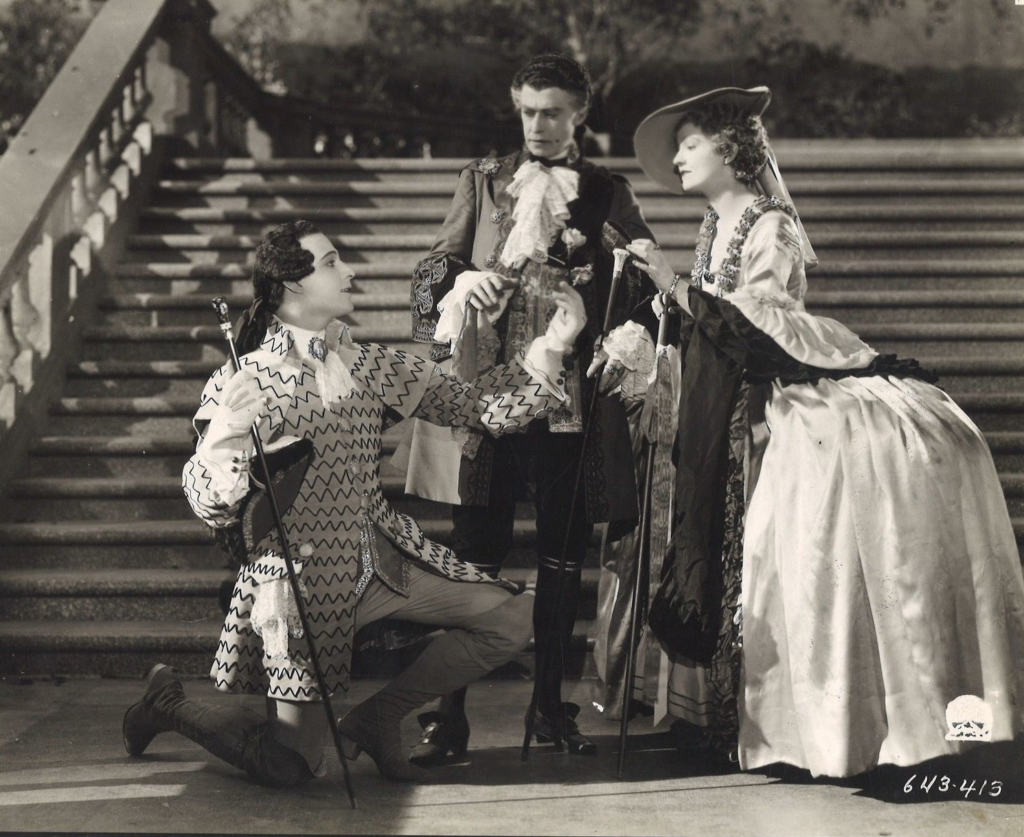
Unfortunately, critics and audiences didn’t take to this new image. He needed something better, something that could reconnect him with his public.
In 1924 he signed a deal with United Artists, which finally granted him the artistic control he had fought so hard for, leading to the atmospheric The Eagle in 1925, a film that went a long way toward restoring his box office reputation.
Realising that he needed a definitive triumph to cement his status as Hollywood’s premier romantic lead, Valentino decided to revisit the character that had defined his career. In 1926, he starred in The Son of the Sheik, a grand sequel directed by George Fitzmaurice. In a brilliant creative move, Valentino played a dual role, portraying both the aging, dignified original Sheik, Ahmed Ben Hassan, and his passionate, rebellious son, Ahmed. The production was a masterful blend of romance, high adventure, and surprising touches of humour, paired with a sensational performance by Hungarian actress, Vilma Bánky as the dancer Yasmin, the young Ahmed’s love interest. The film was a massive, immediate triumph upon its premiere in July 1926, with critics widely hailing it as a vastly superior picture to the 1921 original. It showcased Valentino at the absolute peak of his acting abilities and physical charisma, effortlessly blending athletic stunt work with his signature smouldering romantic intensity. It was released only weeks before tragedy struck. Valentino was on a promotional tour for The Son of The Sheik when he collapsed.
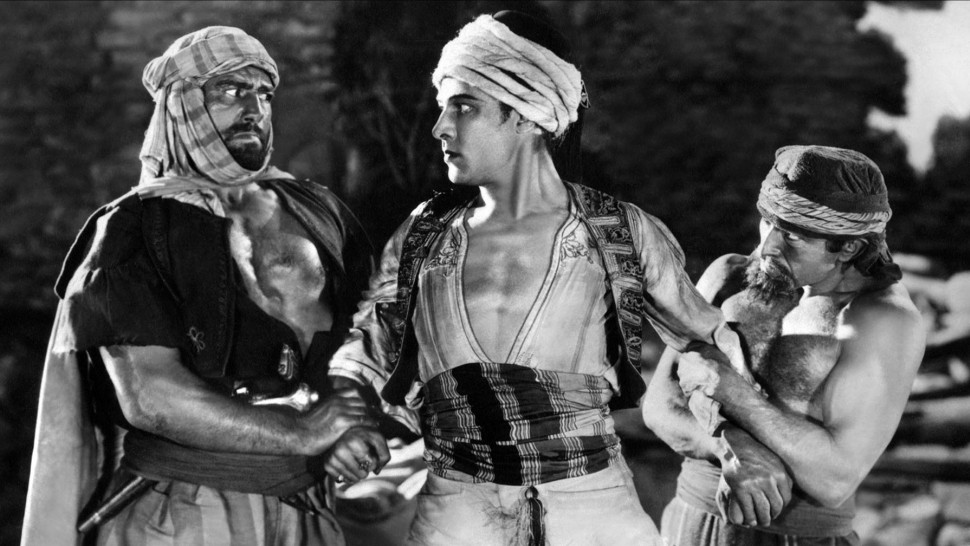
The overwhelming grief of his fans turned the film’s continuing theatrical run into an unprecedented cultural event, as millions of devastated cinema-goers flooded theatres to witness what had unexpectedly become the legendary star’s final cinematic farewell.
Valentino died at the dawn of the talkies, and many historians speculate whether his heavy Italian accent or his highly stylised acting would have survived the transition to sound. However, his legacy does not depend on what might have been. He remains the definitive icon of a certain type of masculinity – the Latin lover – which still resonates today in film and especially music. He broke the mould of the Western leading man, introducing a level of nuance, vulnerability, and sheer eroticism that paved the way for every cinematic heartthrob who followed.
His films were the canvases upon which a generation projected their deepest, most forbidden desires. Even now, a hundred years since the dawn of the talkies, the image of Valentino, with those burning eyes and perfect skin, remains the haunting, definitive face of cinema’s first golden age. Millions of music fans in the 1980s would have heard The Bangles, in their hit song Manic Monday, singing about “kissing Valentino in a crystal blue Italian stream”. They may not have known who this referred to, but the connotation was clear. The name said it all.
It is a name that still resonates today. People who have no idea that he ever existed will know the name Valentino and know what it means. In the silent flicker of his films, he achieved a form of immortality that no dialogue could ever enhance, and death actually made brighter. Like James Dean and Marilyn Monroe, two other actors who were taken from us far too young, he transcended death and became immortal.
You can find many of Valentino’s greatest films free on YouTube.